Auto accidents often happen without warning and can lead to stress, uncertainty, and major disruption to daily life. Understanding what actions to take immediately after a collision can help protect your health, legal rights, and financial well-being. By following a clear and organized approach, drivers in Providence, Rhode Island, as well as Cranston RI and Johnston RI, can better manage the situation and minimize additional complications. Remaining calm and attentive at the scene also reduces the risk of errors that could cause long-term issues, helping ensure a more efficient and smoother recovery process for everyone involved.
1. Ensure Safety and Assess Injuries
Immediately after a collision, prioritize safety. Pull over to a safe location and turn on hazard lights to alert other drivers. Ensure all parties are out of traffic and away from danger. Once safe, check for injuries. Even if you feel fine, adrenaline can mask symptoms, so a careful assessment is essential. Call emergency services if anyone appears seriously injured, loses consciousness, or seems confused.
For minor injuries, basic first aid may help prevent further harm, such as applying pressure to stop bleeding or stabilizing limbs without moving them. Even if emergency services are not required, consider visiting a healthcare professional, as some injuries may appear hours or days later. It’s important to monitor passengers as well, including children or elderly individuals, who may be more vulnerable to hidden injuries. Prioritizing safety and health before addressing other matters at the scene is essential for everyone involved. Taking a few moments to gather yourself can also help reduce stress and improve decision-making.
2. Document the Scene
Thorough documentation is critical for insurance and potential legal matters. Take clear photos of vehicle damage, surrounding objects, road conditions, and skid marks. Note the time, weather, and other factors that could have influenced the accident. Recording voice notes or written details ensures you capture events accurately. According to the National Safety Council, 63% of drivers admitted to programming GPS while driving in parking lots. This type of data can provide context for investigating causes or liability.
Identify any witnesses and collect their contact information for independent accounts of the incident. Preserving evidence immediately after the collision strengthens your position with authorities. Include details about traffic signals, lane markings, and any unusual road conditions. Proper documentation can make a significant difference in the handling of collision repairs and claims, particularly when authorities review the scene for damage assessments and liability determinations. Comprehensive records can also help explain situations clearly if questions arise later, ensuring accountability and fairness.
3. Exchange Information with Other Parties
Once safety is ensured and the scene documented, exchange information with all involved parties. Collect names, phone numbers, and addresses, along with insurance details such as company name and policy number. Note vehicle specifics, including make, model, color, year, and license plate number. Confirm the driver’s license number, issuing state, and expiration date. Accurate, thorough information simplifies claims and reduces the risk of disputes.
Be polite and calm during this process, avoiding any discussion of fault at the scene. Hostile or accusatory behavior can escalate tension and complicate matters. Focus on gathering facts clearly and efficiently. Documenting every interaction ensures that all information required for collision repairs is complete and verifiable, which benefits both parties and supports fair resolution of the incident. Taking careful notes can prevent confusion later and make the process smoother for everyone involved.
4. Notify the Authorities
Contact the police to report the collision. An official report provides valuable documentation for legal purposes. Even minor accidents can benefit from an official record to minimize disputes over fault. Request a copy of the report for your records. In some cases, police presence may not be required, such as on private property or in low-impact collisions, but reporting voluntarily protects your interests. Follow state-specific legal obligations, including DMV reporting if necessary.
Having an official record of the collision also supports prompt processing of repairs and can be critical if there are injuries or contested liability. The police report can provide an impartial account that authorities rely on when assessing the extent of vehicle damage and the need for collision repairs. Keeping a copy ensures that you have a reference if questions arise about the incident in the future. Additionally, documenting the presence of warning signals or road hazards can provide clarity in case of disputes.
5. Seek Medical Attention
Even if you feel fine, visit a healthcare professional after a collision. Injuries such as whiplash, concussions, or internal trauma may appear later. Early medical evaluation protects your health and provides documentation if health concerns arise. Track delayed symptoms, including headaches, pain, or dizziness, and share them with your provider. Maintaining medical records supports any legal proceedings related to the incident and ensures you receive proper care.
Follow all prescribed treatment plans and keep meticulous records of visits and recommendations. These documents provide evidence of proactive care and may be required to support health-related claims or disputes. Encourage passengers to also undergo medical evaluations, as secondary injuries can sometimes be overlooked. Proactively managing your health is an essential part of the recovery process following an auto collision. Prioritizing care early can prevent complications and help you return to normal activities sooner.
6. Handling Vehicle Damage and Collision Repairs
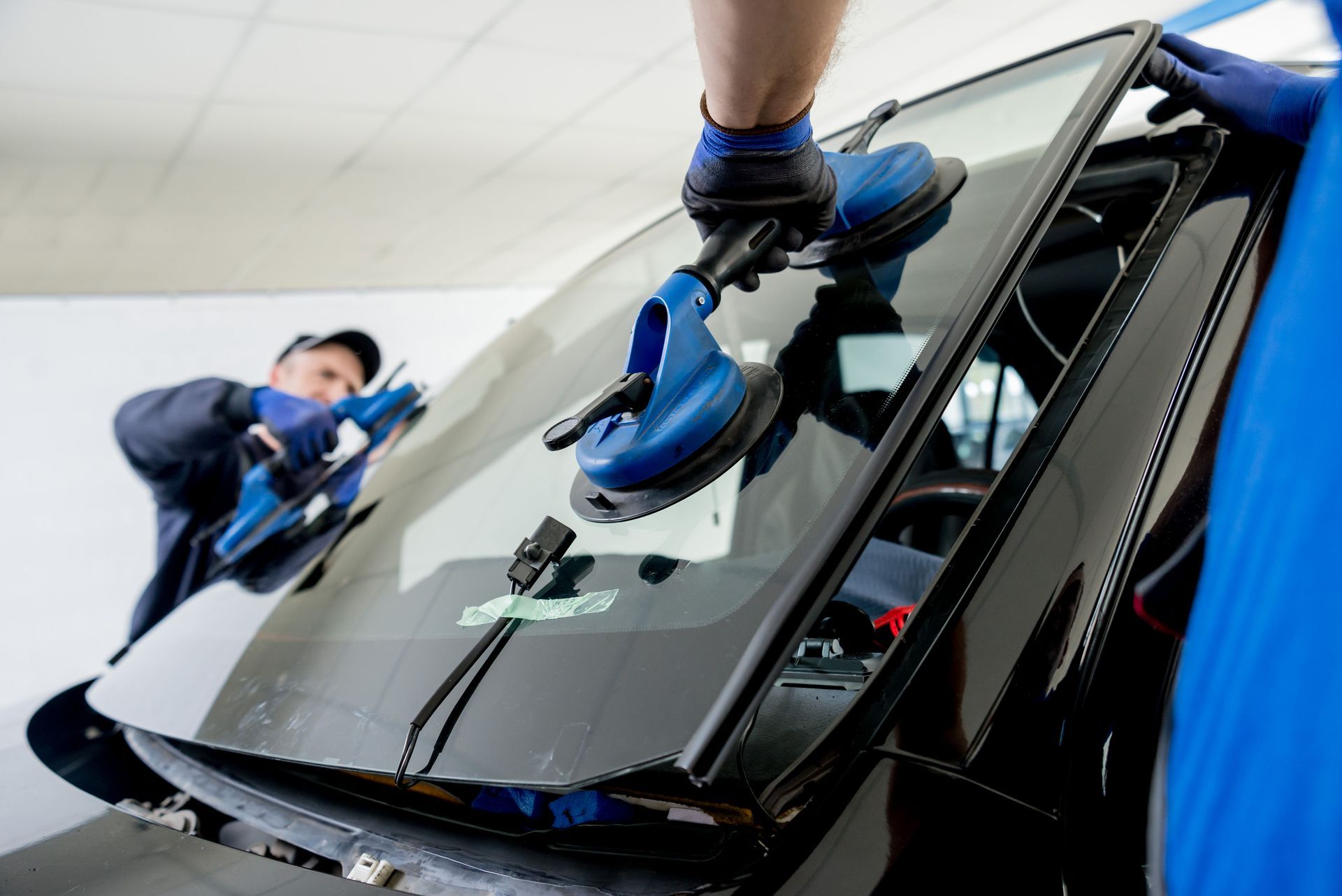
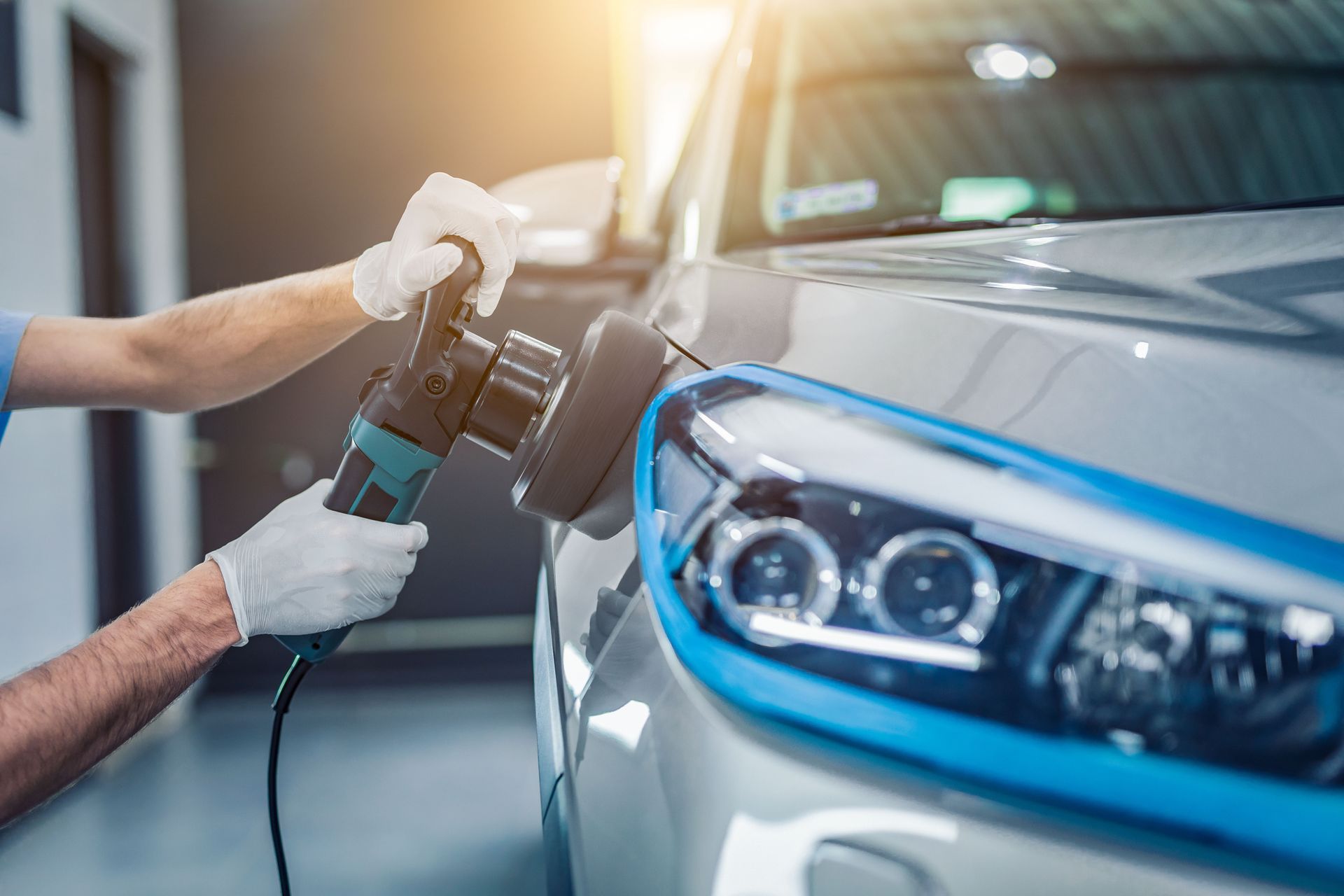
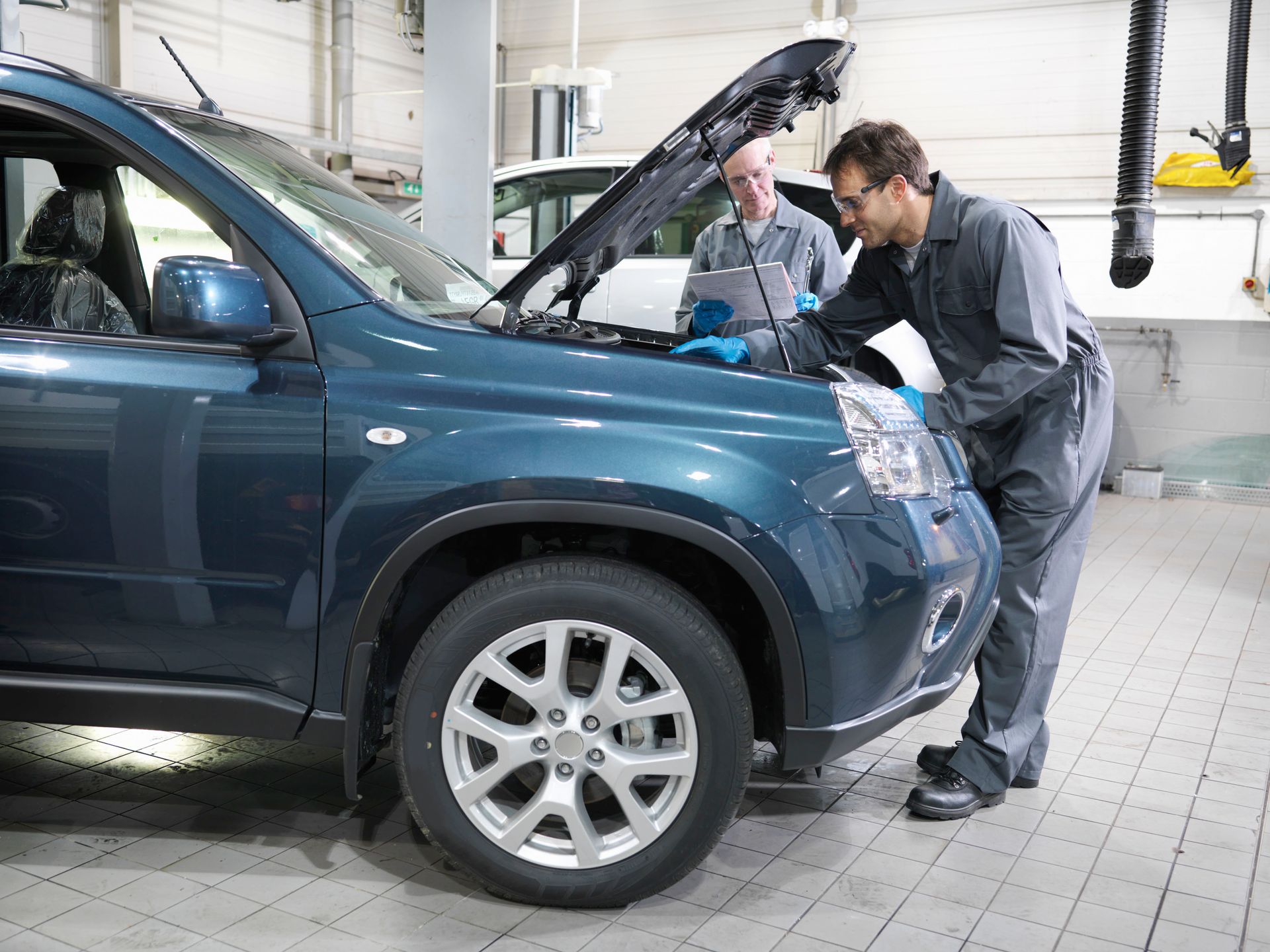
After documenting the scene and notifying authorities, focus on addressing vehicle damage. Contact a reputable auto body shop to assess the car and provide an estimate for collision repairs. Certified professionals can identify hidden structural damage that may not be apparent immediately. Prompt attention to collision repairs helps prevent further deterioration, preserves vehicle value, and ensures safety on the road.
Obtain multiple estimates from trusted repair shops to compare pricing, timelines, and materials. Ensure the repair provider offers warranties on parts and workmanship. High-quality repairs restore both vehicle safety and appearance. According to the National Safety Council, timely collision repairs can prevent long-term issues such as rust, frame misalignment, and reduced resale value. Maintain clear communication with the repair shop and request detailed explanations of all work performed. Reviewing the work carefully before accepting repairs can ensure the vehicle is fully safe and functional.
Keep copies of estimates, invoices, and warranties for future reference. Transparency and documentation ensure that collision repairs meet safety standards, comply with manufacturer specifications, and protect your financial investment. Following these steps reduces the risk of improper repairs that could compromise the vehicle's structural integrity or your personal safety. Planning for post-repair maintenance can also prolong the life of your vehicle.
7. Legal and Financial Considerations
Understanding your rights and responsibilities after a collision is an important part of protecting yourself moving forward. While legal requirements vary by state, drivers in Rhode Island are generally expected to document the accident scene, exchange information, and notify the appropriate authorities when required. Keeping detailed records of communication with auto body shops, insurance representatives, and medical providers is essential. These documents can be critical if questions arise regarding fault, repair quality, or compensation following an accident.
Working closely with qualified repair professionals helps ensure that all vehicle damage is properly identified and repaired. In situations involving injuries or disputed liability, consulting legal counsel may also be beneficial—especially when claims or settlements become complex. Staying informed and maintaining thorough documentation helps safeguard your interests and supports a more efficient resolution. Carefully planning repairs, medical care, and any legal steps can reduce delays and prevent misunderstandings after a collision in Providence RI, Cranston RI, or Johnston RI.
Managing the aftermath of an auto accident requires clear, organized action to protect your health, legal rights, and finances. Important steps include securing safety at the scene, documenting damage, exchanging information, reporting the incident when necessary, obtaining medical evaluation, and scheduling professional collision repairs. Addressing each step promptly helps limit further complications and supports a smoother recovery process. By following these measures, drivers across Providence and greater Rhode Island can restore their vehicles properly and maintain peace of mind throughout recovery. For more information or assistance with collision repairs, contact Ken Rocha Collision, LLC.