By Kyle Rocha
January 14, 2026
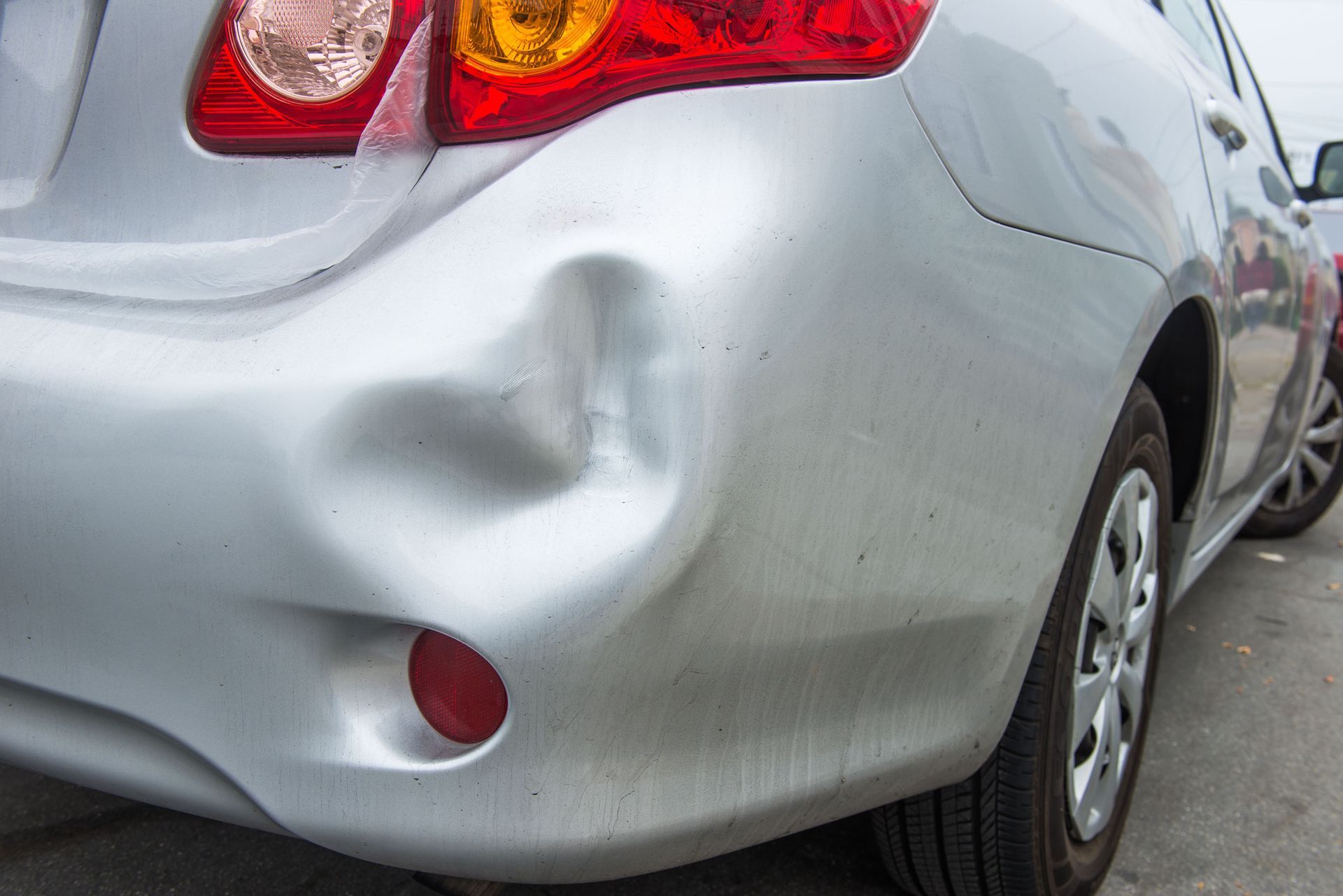
In the aftermath of a vehicle collision, navigating insurance and repair processes can feel overwhelming. Understanding the right questions to ask your insurance company is essential for ensuring your collision repair is handled efficiently and thoroughly. Prompt action and informed decision-making can minimize delays, reduce unexpected costs, and protect your vehicle’s long-term performance. This article will guide you through the critical inquiries to make when dealing with insurance, estimates, repair shops, rental coverage, and claim settlements, empowering you to take control of your collision repair experience.
1. Understanding Your Coverage
Your insurance policy is the foundation for managing collision repair claims. Reviewing your policy details regularly helps you understand what is covered, your deductible, and any updates that may affect eligibility. Coverage limits dictate the maximum amount your insurer will pay for repairs, and exceeding them may result in out-of-pocket expenses. It's also essential to identify exclusions, such as depreciation or certain types of damage not covered. According to CCC Intelligent Solutions, nearly 90% of collision repair revenue comes from work paid by insurance companies, emphasizing the importance of understanding policy limitations. Being well-informed helps prevent misunderstandings, reduces stress during the claims process, and ensures smoother approval of your collision repair.
Another key aspect of managing collision repair claims is maintaining clear and consistent communication with your insurance provider. Promptly reporting the incident, providing accurate documentation, and responding to requests for information can significantly accelerate the approval process. Asking your insurer for clarification on any ambiguous policy language or coverage terms ensures you fully understand your rights and responsibilities. Staying proactive not only helps prevent delays but also positions you to make informed decisions when selecting a repair shop, coordinating estimates, and managing out-of-pocket costs. Effective communication ultimately supports a more efficient and successful collision repair experience.
2. Estimating Repair Costs
Obtaining multiple estimates is a crucial step in planning your collision repair. Getting quotes from different shops ensures fair pricing and helps identify discrepancies in recommended repairs. Be consistent in providing details to each shop to receive accurate estimates. Additionally, understanding the difference between Original Equipment Manufacturer (OEM) parts and aftermarket parts impacts both cost and quality. OEM parts typically provide a better fit and long-term reliability, while aftermarket parts may reduce expenses. Clarifying with your insurer whether OEM parts are covered is essential. Labor rates vary between shops, and some insurers have pre-negotiated rates that can offer savings. Transparent estimates prevent unexpected costs and allow you to budget effectively for your collision repair.
It’s also important to consider the reputation and experience of the repair shops when obtaining estimates. While price is a significant factor, the quality of workmanship can have long-term implications for the safety and value of your vehicle. Researching customer reviews, checking certifications, and asking about previous experience with similar collision repairs can help you select a shop that delivers reliable results. A trusted repair facility not only ensures proper restoration but also reduces the likelihood of future issues, giving you peace of mind alongside a fair and accurate estimate.
3. Choosing a Repair Shop
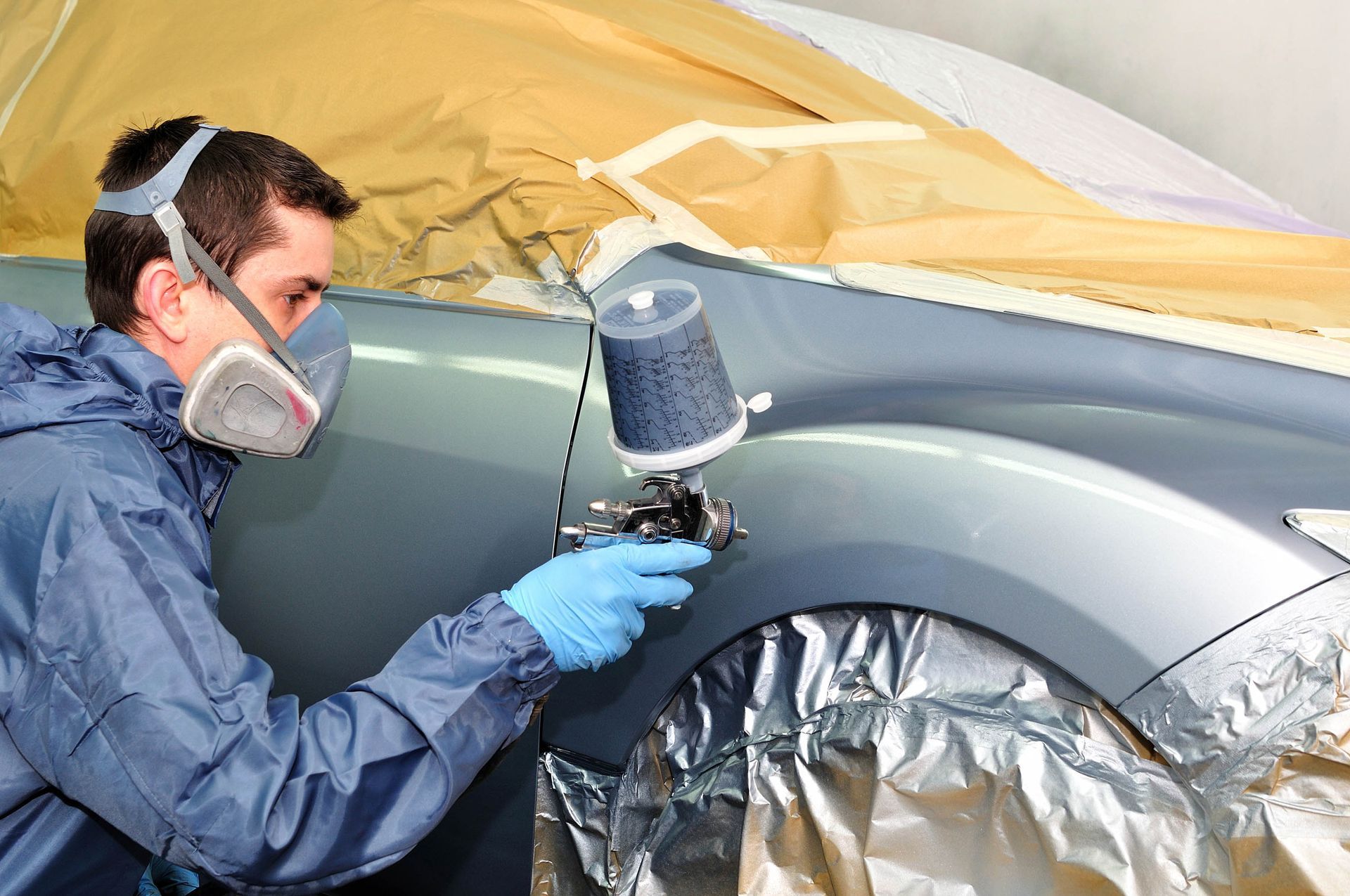
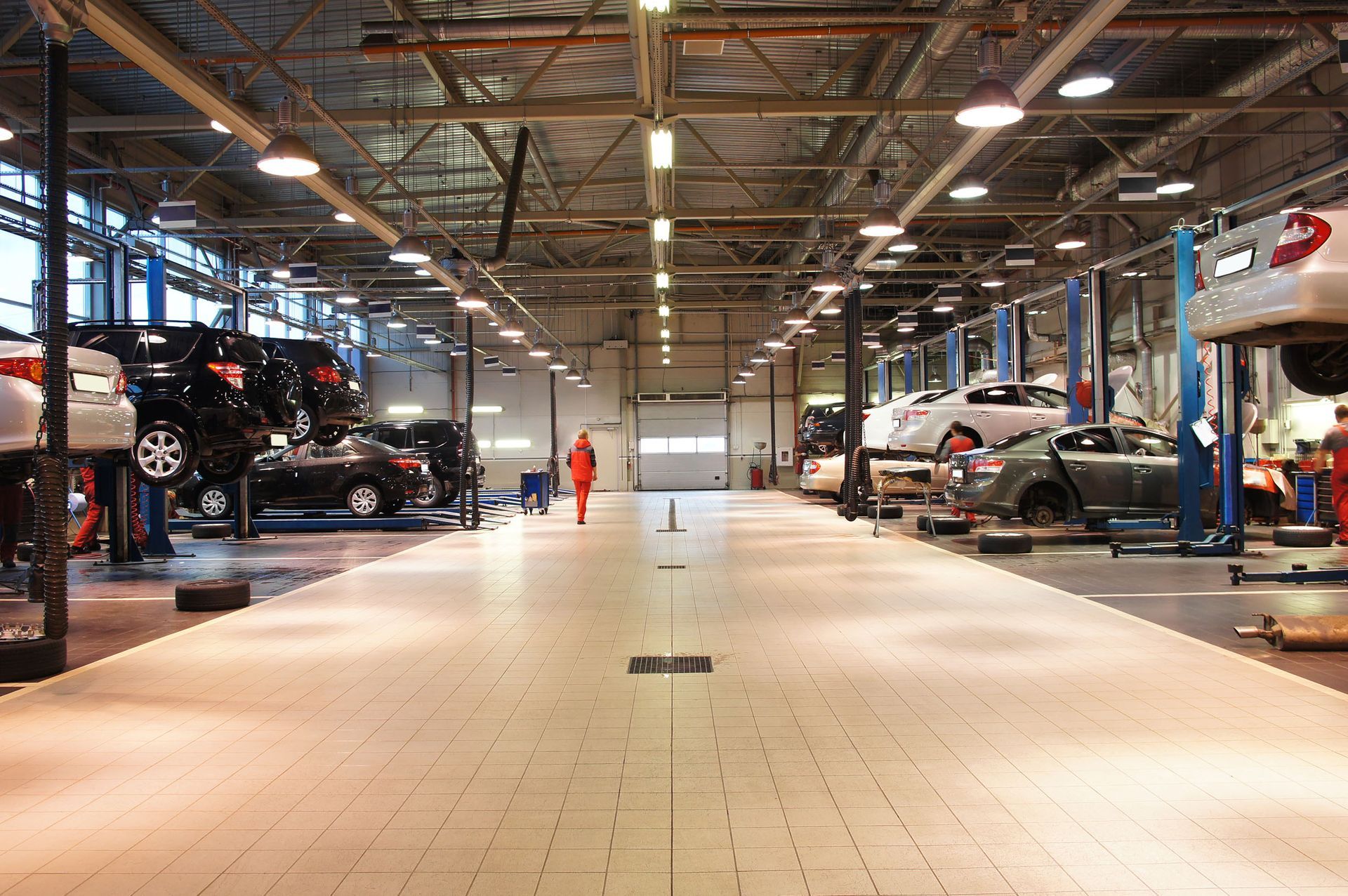
Selecting the right repair shop is a critical factor in the success of your collision repair. Many insurers have a network of preferred shops, which can simplify approvals and sometimes provide financial incentives. These shops often meet insurer standards for quality and process efficiency. However, it is equally important to research a shop’s reputation, warranty offerings, and past performance. Warranties on parts and labor provide peace of mind, reflecting the shop’s confidence in their work. Additionally, location and convenience are practical considerations, ensuring easy drop-off, pick-up, and access to rental services if needed. Balancing convenience, quality, and insurer recommendations ensures a smoother, more reliable repair experience.
Communication with the repair shop throughout the collision repair process is equally essential. Regular updates on the progress of repairs, potential delays, and any unforeseen issues help you stay informed and manage expectations. Clear communication also allows you to address questions about parts, labor, or insurance coverage promptly, preventing misunderstandings and ensuring that the repair stays on schedule. By maintaining an open line of communication, you can coordinate effectively with both the shop and your insurer, ultimately contributing to a more efficient and satisfactory collision repair experience.
4. Rental Car Provisions
Insurance policies frequently include rental car coverage during collision repair, but terms can differ significantly. Confirm what vehicle type is provided, for how long, and whether pre-authorization is required. Some insurers partner with specific rental companies, potentially reducing costs, but it’s important to verify availability and suitability for your needs. Extended repair times may lead to gaps in coverage, so discuss potential solutions or policy extensions with your insurer. Clarifying these details at the outset ensures mobility during repairs and minimizes surprises or out-of-pocket expenses while your vehicle is in the shop for collision repair.
Planning and understanding timelines is another key aspect of managing collision repair effectively. Obtain a clear schedule from the repair shop that outlines the start date, estimated completion, and any milestone updates. This timeline helps coordinate rental car needs, personal transportation, and communication with your insurer. Monitoring progress and staying informed about potential delays allows you to address issues proactively, ensuring the repair stays on track. By aligning expectations and maintaining oversight, you can reduce frustration, avoid scheduling conflicts, and support a smoother, more predictable collision repair process.
5. Timelines and Deadlines
Securing a clear repair timeline is essential for coordinating transportation and setting expectations. Understanding when repairs will start and when your vehicle is likely to be ready allows you to align rental arrangements and communicate effectively with your insurer. Monitoring each step of the claim process helps prevent delays. Prompt submission of documentation and quick responses to insurer requests maintain progress. Despite careful planning, unforeseen delays can occur. Regular updates from your repair shop allow you to anticipate and manage potential disruptions, protecting both your schedule and your vehicle’s timely return from collision repair.
6. Claim Settlement and Payment
Evaluating settlement offers thoroughly ensures that your insurer’s coverage meets your collision repair needs. Understand the amounts allocated for parts, labor, and deductibles. If the settlement is insufficient, discuss your concerns with your claims adjuster to clarify coverage or request adjustments. Payment options for costs exceeding insurance coverage, including financing for deductibles, help manage financial impact. Clear communication between your insurer and the repair shop ensures proper handling of payments. Proper planning and understanding of settlement terms prevent surprises and make the collision repair process smoother and more manageable.
7. Preparing for Repairs and Proactive Steps
While professional intervention is critical, homeowners can take steps to minimize damage before the shop begins repairs. Safety around electrical hazards should be a priority. Evacuating flooded or compromised areas and moving undamaged belongings protects property and provides repair teams unobstructed access. Documenting visible damage with photos and videos supports insurance claims. Immediate contact with a reputable repair shop allows faster mobilization for the collision repair process. Developing an emergency plan, including contacts and response procedures, ensures readiness for future incidents, reducing stress and expediting recovery.
Asking the right questions and taking proactive measures can make your collision repair experience far more efficient and less stressful. From understanding coverage to selecting a trusted repair shop, informed decisions ensure repairs are completed correctly, on time, and within budget. For reliable service, expert guidance, and high-quality results, contact Ken Rocha Collision, LLC for all your collision repair needs. According to CCC Intelligent Solutions, most collision repair work is handled through insurance, highlighting the value of clear communication and informed choices. Take control of your repair process today and ensure your vehicle is restored safely and professionally.