By Kyle Rocha
January 9, 2026
Car accidents are an unfortunate reality of modern driving, occurring in a wide range of situations that many people encounter every day. From sudden stops in heavy traffic to momentary distractions at intersections, even experienced drivers can find themselves involved in a collision. These incidents vary in severity, but they almost always leave behind some form of vehicle damage that needs attention. While some issues are immediately visible, others remain hidden beneath the surface and can affect safety, handling, or reliability if they are not addressed properly.
Knowing what typically happens to a vehicle during different types of crashes can make the aftermath far less overwhelming. When drivers know how impact direction and force influence damage, they are better prepared to understand repair recommendations and timelines. Conversations about car collision repairs often focus on cost and appearance, but the underlying goal is restoring safety and function. By exploring the most common repairs and the accidents that cause them, drivers can approach the repair process with clearer expectations and greater confidence.
1. Front-End Damage From Rear-End Accidents
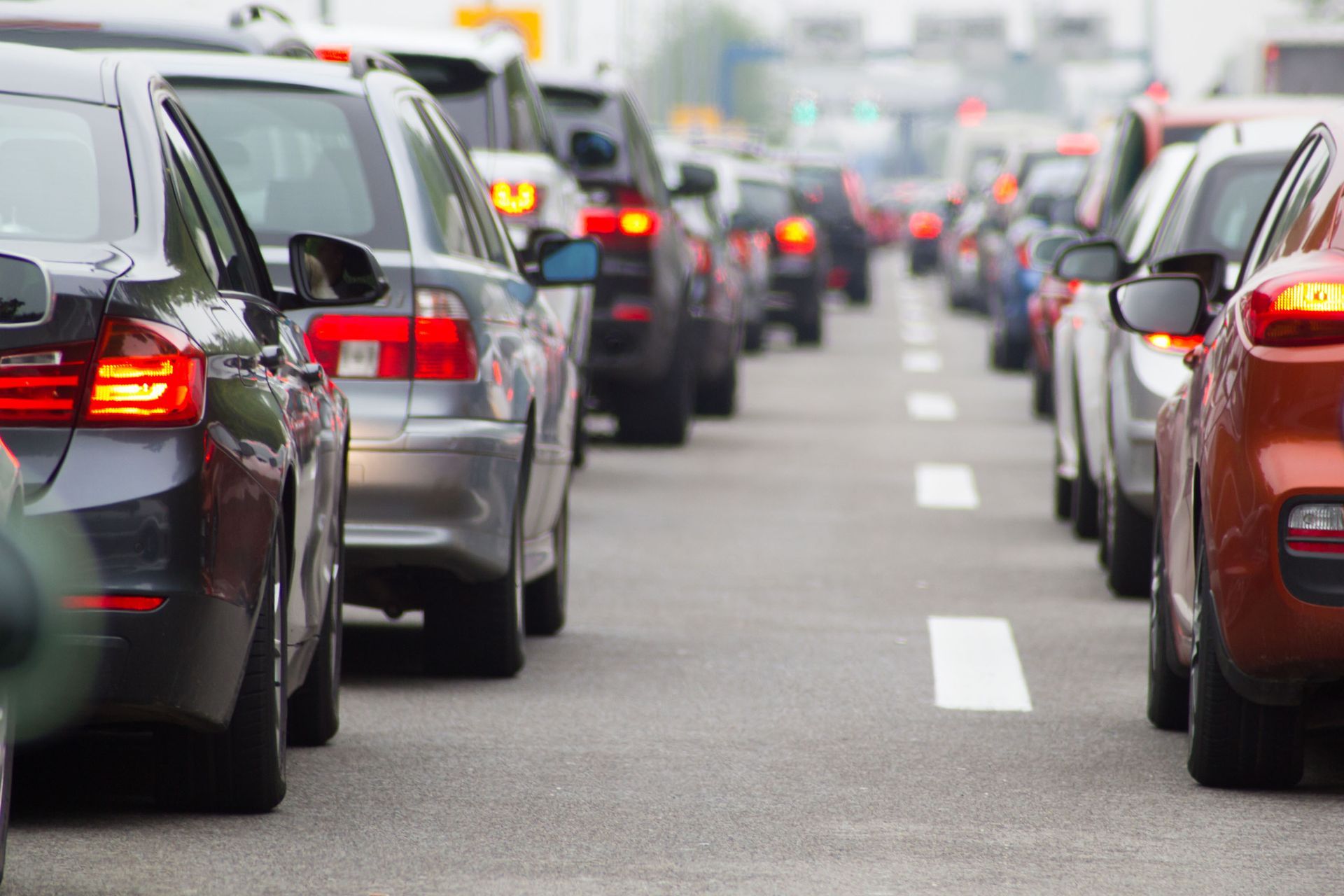
Rear-end collisions are among the most common roadway accidents, especially in areas with frequent stops or congested traffic. These incidents often occur when one driver follows too closely or fails to brake in time. The front vehicle absorbs much of the impact, leading to damage concentrated around the bumper, grille, hood, and headlights.
Front-end damage can range from cracked bumper covers to bent support structures beneath the surface. While some damage may look minor, internal components such as sensors, radiators, and cooling systems are often affected. These hidden issues can cause overheating or warning light problems if they are not properly addressed.
In many cases, technicians must remove exterior panels to inspect what lies underneath. This step allows repair professionals to identify issues that are not visible during a basic visual check. Modern vehicles rely heavily on integrated safety systems, so even a small shift in alignment can interfere with driver assistance features.
The repair process after a rear-end accident is about more than restoring appearance. Safety testing is often required to confirm that systems respond correctly after repairs are completed. Ensuring that crumple zones function correctly in future accidents is a key concern. Addressing damage with professional car collision repairs can restore both the look and safety of the vehicle.
2. Intersection Crashes and Side Impact Repairs
Side-impact collisions often occur at intersections where traffic patterns intersect at different angles. These crashes can be particularly severe because the sides of vehicles offer less protection than the front or rear. According to a Federal Highway Administration report, more than 50% of serious car accidents happen at or around stoplights and stop signs, highlighting how frequently intersection-related impacts lead to significant vehicle damage.
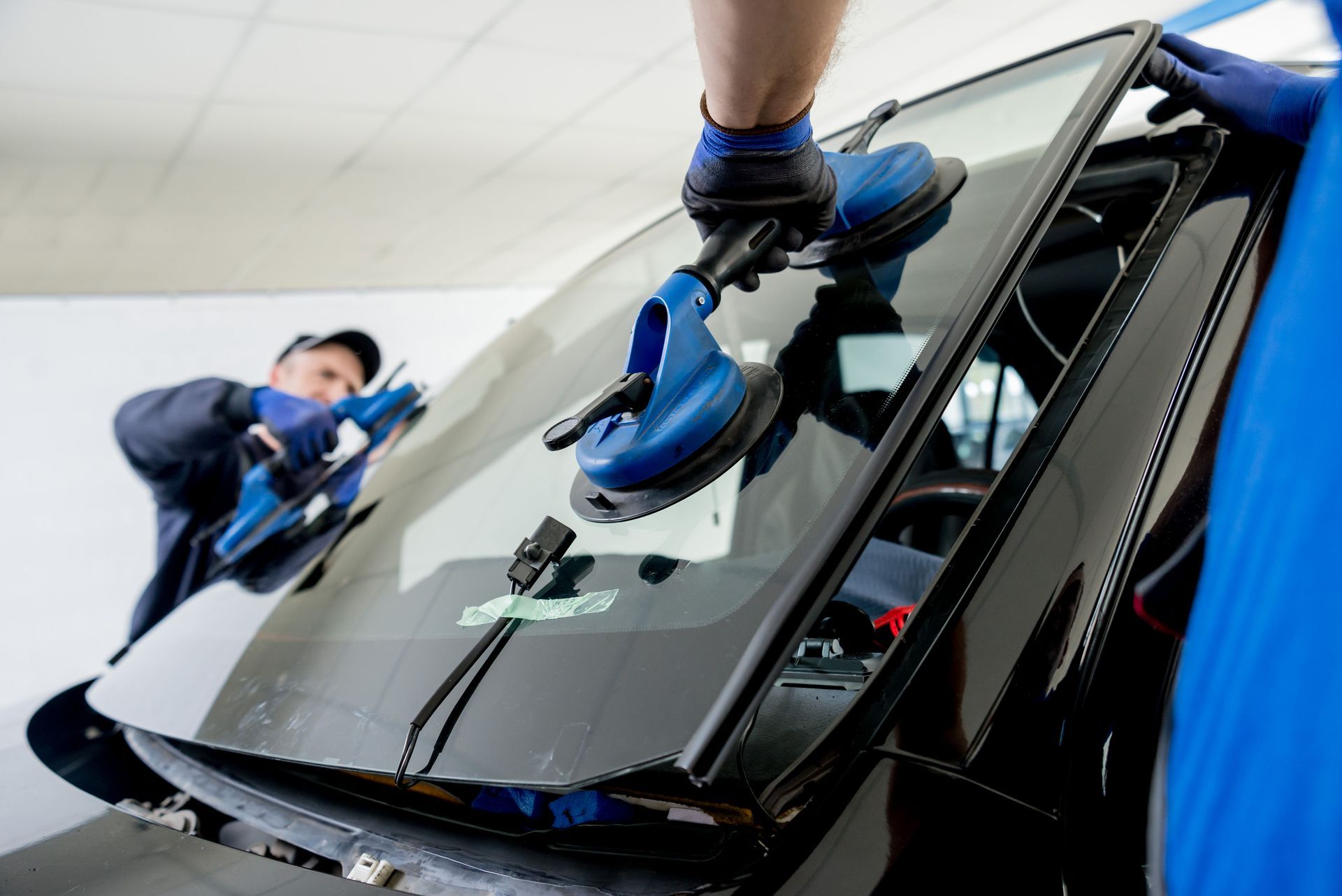
Damage from side impacts commonly affects doors, side panels, and window glass. The point of impact can vary widely depending on vehicle speed and angle. In more serious cases, the force of the collision can reach the frame or compromise side airbags. Even when airbags deploy correctly, surrounding structures often require careful inspection and repair.
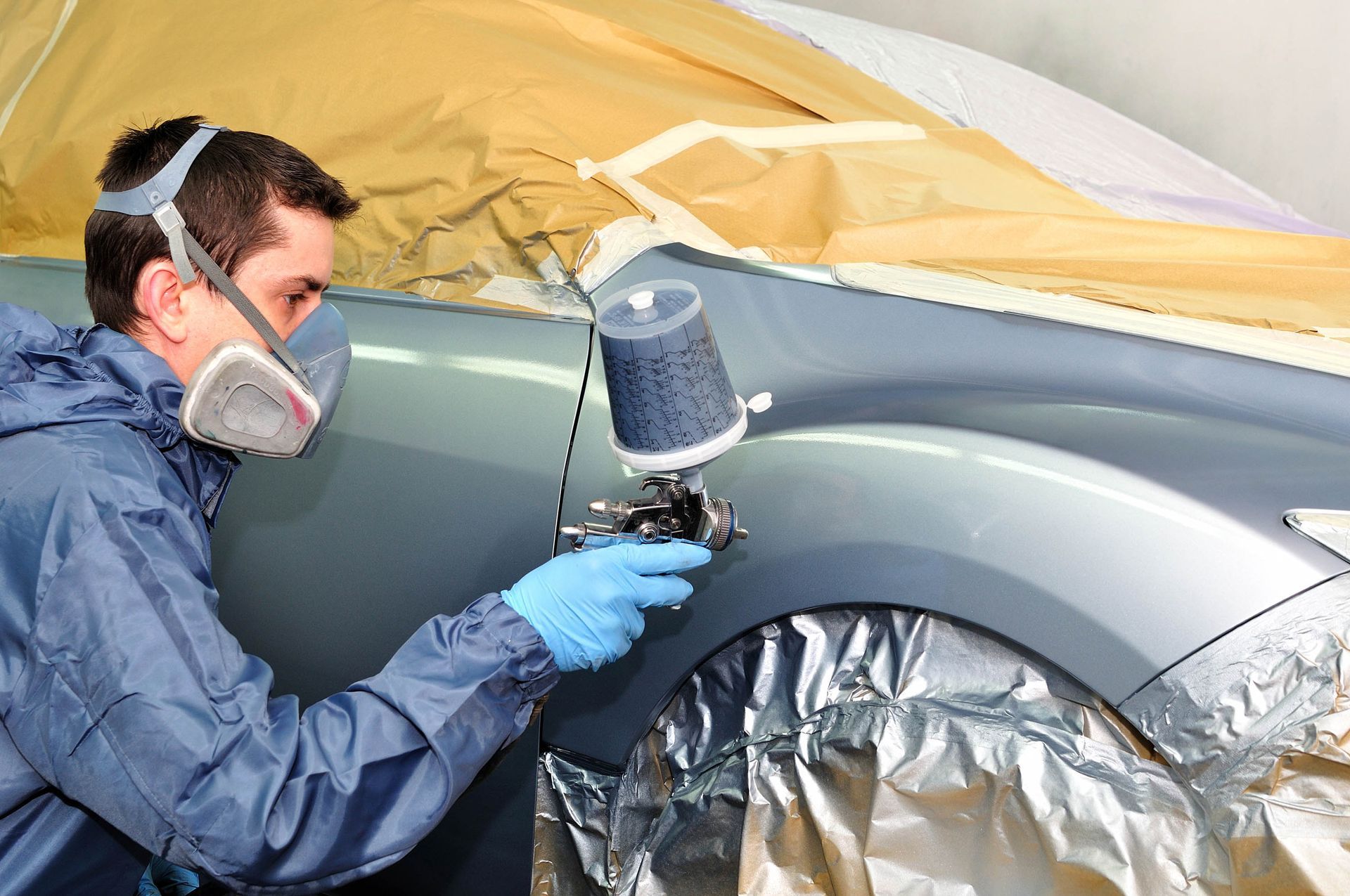
Fixing this type of damage may involve replacing door shells, reinforcing side beams, and repainting large sections of the vehicle. Because multiple panels are often involved, repairs can take longer than expected. Paint blending is often necessary to maintain a consistent appearance across panels. These repairs demand precision to ensure doors open and close properly after the work is complete.
Because of the safety risks associated with side damage, car collision repairs following intersection accidents tend to be more extensive. Proper restoration helps ensure that the vehicle can protect occupants effectively in future incidents. Attention to detail during these repairs is essential for long-term reliability.
3. Rear Damage Caused by Low-Speed Impacts
Low-speed impacts are common in parking lots, drive-throughs, and heavy traffic conditions. Although these accidents may seem minor at first, they frequently cause damage to rear bumpers, trunk lids, and lighting assemblies. Drivers are often surprised to learn how costly these repairs can be.
Rear bumpers are designed to absorb impact, but that absorption can leave internal supports bent or cracked. Plastic components may flex without obvious breakage, masking deeper issues. Backup cameras, sensors, and wiring harnesses are also vulnerable in these areas. If these systems are damaged, drivers may experience malfunctions that affect everyday driving convenience and safety.
Repair work often includes replacing bumper covers, straightening metal panels, and recalibrating electronic components.
Technicians also evaluate how the impact affected the surrounding attachment points. Technicians also check the trunk area for leaks or alignment issues that could lead to water intrusion. Even small misalignments can create long-term problems if ignored.
Addressing rear-end damage promptly helps maintain vehicle value and usability. Delayed repairs can allow moisture or debris to cause additional damage over time. Many car collision repairs related to low-speed impacts focus on restoring functionality that drivers rely on daily. These fixes ensure the vehicle remains practical and safe for regular use.
4. Structural Repairs After High-Impact Accidents
High-impact accidents, such as head-on collisions or high-speed side crashes, often result in significant structural damage. These incidents may occur on highways or rural roads where speeds are higher and reaction times are shorter. The force involved can compromise the vehicle’s frame and critical safety systems.
Structural damage is not always visible from the outside. Visual symmetry can be misleading after severe impacts. Twisted frames, misaligned suspension components, and shifted crumple zones require specialized equipment to diagnose. Technicians use measuring systems to determine whether the vehicle’s structure can be restored to manufacturer specifications.
Repairing structural damage is a complex process that may involve frame straightening machines, welding, and precise alignment work. Safety is the primary concern, as even small deviations can affect how the vehicle handles in future emergencies. These repairs also influence how airbags and restraint systems perform.
When structural integrity is restored correctly, car collision repairs help return the vehicle to a condition that closely matches its original design. This process often includes multiple inspections throughout the repair timeline. This level of work is essential for protecting occupants and ensuring predictable handling. Proper structural repairs also support the longevity of the vehicle.
Car accidents vary widely in severity, but each type of collision tends to produce predictable forms of damage. From front-end impacts to side collisions and structural issues, understanding these patterns helps drivers better grasp why certain repairs are necessary. Knowledge empowers vehicle owners to make informed decisions during the repair process.
Recognizing how accidents lead to specific fixes also clarifies the value of thorough inspections and quality workmanship. Car collision repairs are not just about aesthetics but about restoring safety, performance, and confidence behind the wheel. When drivers understand the connection between accidents and repairs, the entire experience becomes more manageable.
Staying informed can also encourage safer driving habits. Awareness of common accident scenarios highlights the importance of caution at intersections, in traffic, and during everyday maneuvers. Prevention remains the most effective way to avoid costly damage and disruptions. A clear understanding of collision-related damage helps drivers navigate repairs with realistic expectations so they can approach the process with greater confidence and peace of mind.
At Ken Rocha Collision, LLC, we’re committed to restoring your vehicle quickly and safely after any accident. Schedule an appointment today for professional car collision repairs you can count on.