By Kyle Rocha
October 9, 2026
Understanding auto body repair is crucial for car owners who wish to maintain their vehicle's appearance, safety, and overall performance. Whether you are dealing with minor paint scratches or significant collision damage, knowing what steps to take can save you both time and money over the life of your vehicle. Taking proper care of your car's exterior is not only about aesthetics; it directly affects structural integrity and long-term resale value. In this complete guide, we will explore practical auto body repair advice, essential maintenance strategies, and expert techniques that empower drivers to make informed decisions for their vehicles.
Identify Common Types of Damage
Car owners encounter various types of auto body damage throughout their driving experience, ranging from surface scratches to severe collision impacts. Recognizing these distinct issues is the essential first step toward addressing them effectively before minor problems spiral into expensive structural repairs. Scratches can vary from superficial clear-coat marks to deep gouges that expose raw metal to moisture and rust. Dents distort the vehicle's surface and negatively affect its aerodynamics, while plastic bumper damage commonly occurs during low-speed parking mishaps. Each type of issue requires a specific auto body repair approach to ensure safety and restore appearance.
According to the National Highway Traffic Safety Administration, approximately 1.7 million rear-end collisions happen every year across the United States. These crashes are largely caused by driver distraction, tailgating, and failing to react to sudden stops on the road. The resulting damage frequently involves compromised bumpers, crumpled trunk lids, and alignment issues that require professional attention. Being proactive about identifying both cosmetic and structural damage mitigates the need for far more costly interventions down the line. Regular physical inspections and prompt care are fundamental to long-term vehicle health.
Learn Basic Terminology
Familiarizing yourself with key industry terminology can significantly improve your understanding when navigating the auto body repair process. Terms like Original Equipment Manufacturer, aftermarket parts, and clear coat are pivotal when reviewing detailed repair estimates. Original Equipment Manufacturer components guarantee identical factory quality, while aftermarket alternatives offer budget-friendly options. Understanding these terms enables car owners to make educated decisions regarding the exact materials used to rebuild their vehicles.
Another critical term is frame straightening, which refers to the structural process of re-aligning a vehicle's chassis following severe impacts. Paintless dent repair represents an innovative, non-invasive technique designed to massage out minor surface indentations without disturbing the original factory finish. Knowing the difference between collision and comprehensive insurance coverage ensures you know what out-of-pocket costs to expect. Grasping these concepts aids in navigating repair shop visits efficiently and guarantees you never feel overwhelmed by technical terminology.
Furthermore, learning about structural bonding gives you clear insight into modern adhesives used to secure body panels seamlessly. Rustproofing is a vital preventive application that protects underlying metal structures against atmospheric corrosion and harsh winter road salt. Terminology like roughing up refers to essential surface preparation steps that promote maximum paint adhesion during refinishing work. Mastering this vocabulary empowers car owners to converse confidently with technicians and advocate for top-tier service.
Follow Safety Precautions
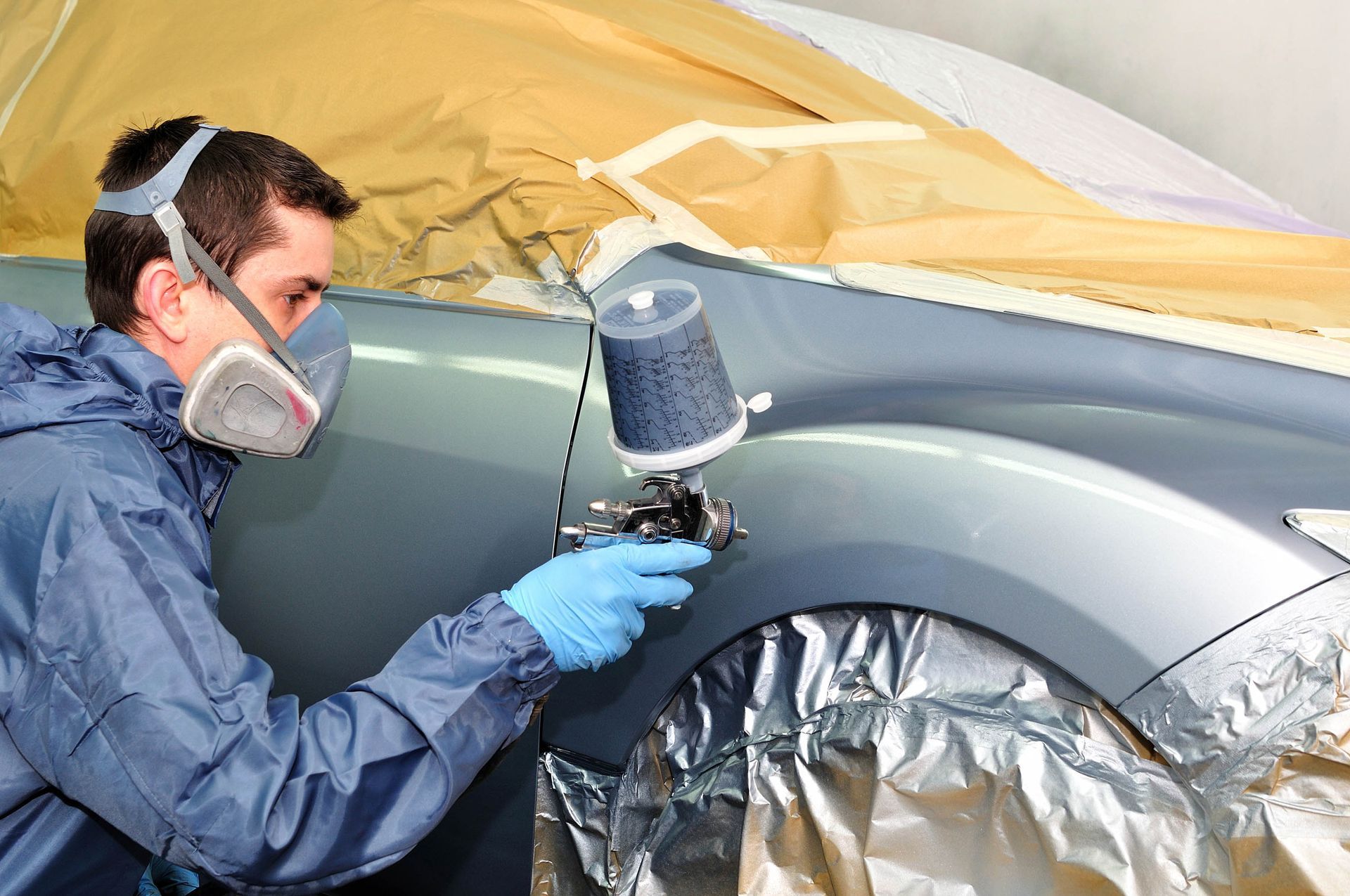
Prioritizing safety is paramount whenever you undertake any mechanical or structural task on a modern vehicle. Adhering to strict safety protocols protects you against accidental injuries and fosters a controlled, productive working environment. Wearing personal protective equipment prevents chemical burns, eye injuries, and lacerations from sharp, torn sheet metal. Ensuring adequate ventilation when handling primers, paints, and solvents prevents dangerous fume accumulation and preserves respiratory health.
Before beginning any hands-on project, secure the vehicle on level ground using heavy-duty wheel chocks to prevent unintended movement. Inspect all power tools, air lines, and lifting equipment to verify they operate according to manufacturer safety guidelines. Proper disposal procedures for hazardous materials like paint thinners, chemical strippers, and contaminated rags prevent environmental contamination and fire hazards. Keeping your workspace clean and organized eliminates tripping hazards and reduces operational risks.
Regularly inspecting your protective gear guarantees uninterrupted defense against chemical splashes and airborne particulates during active sanding. Knowing basic first-aid protocols and keeping a fully stocked kit nearby ensures quick response capability during unexpected accidents. Having an accessible fire extinguisher rated for chemical and electrical fires is vital for any automotive workshop space. Practicing rigorous safety measures builds personal confidence and ensures every maintenance task proceeds smoothly without unnecessary hazards.
Know When to Consult Professionals
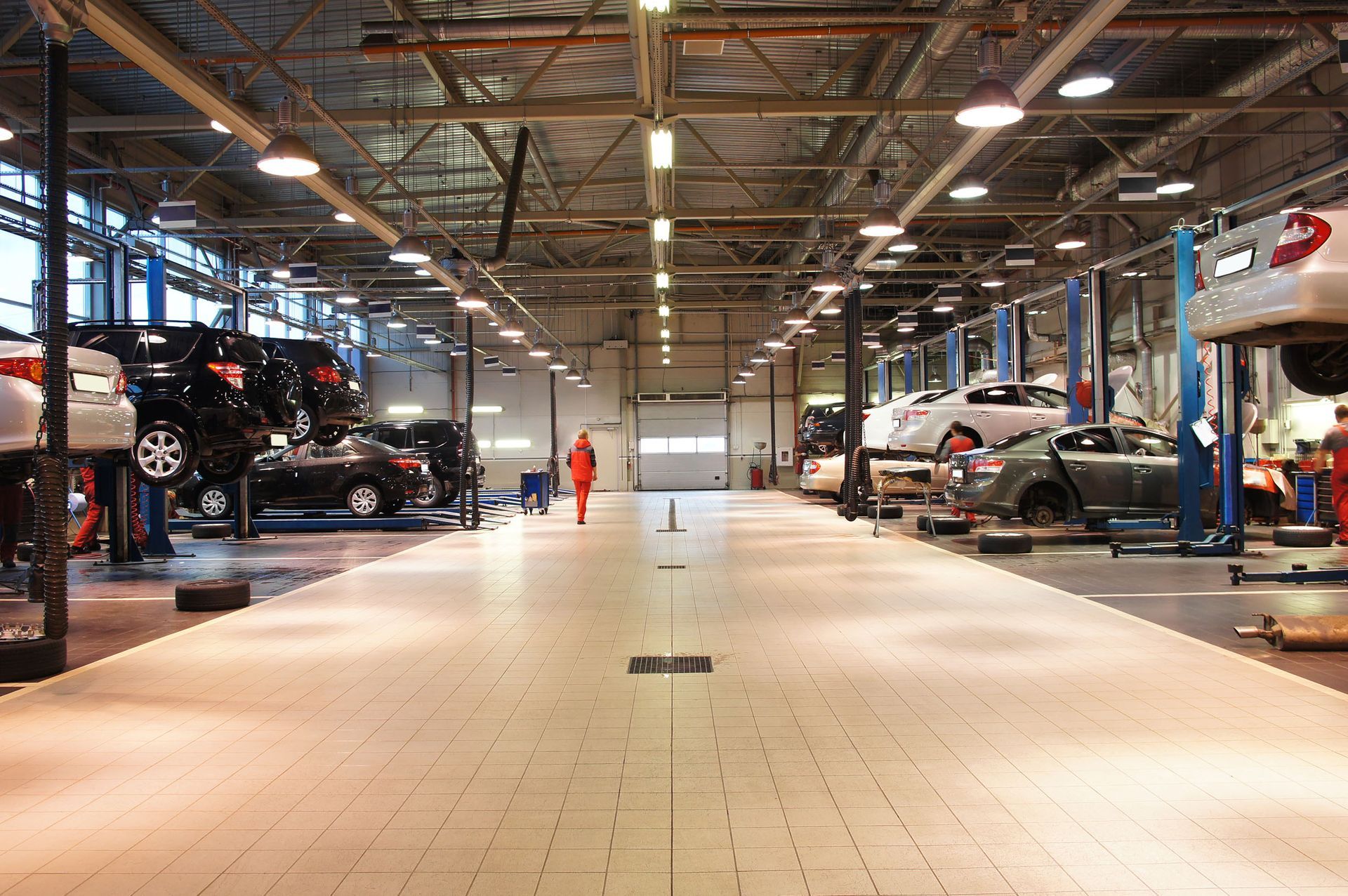
Determining when to seek professional auto body repair intervention is a vital aspect of responsible vehicle ownership. While enthusiastic owners can manage basic cosmetic fixes, intricate structural or electrical repairs require certified master technicians. Issues involving compromised frame rails, complex sensor recalibrations, or deployed airbag systems strictly mandate advanced professional facilities. Expert technicians possess specialized training, high-end measuring systems, and sophisticated painting booths that deliver factory-spec finishes safely. Thus, discerning when to entrust a vehicle to professionals can prevent additional costs and enhance overall safety.
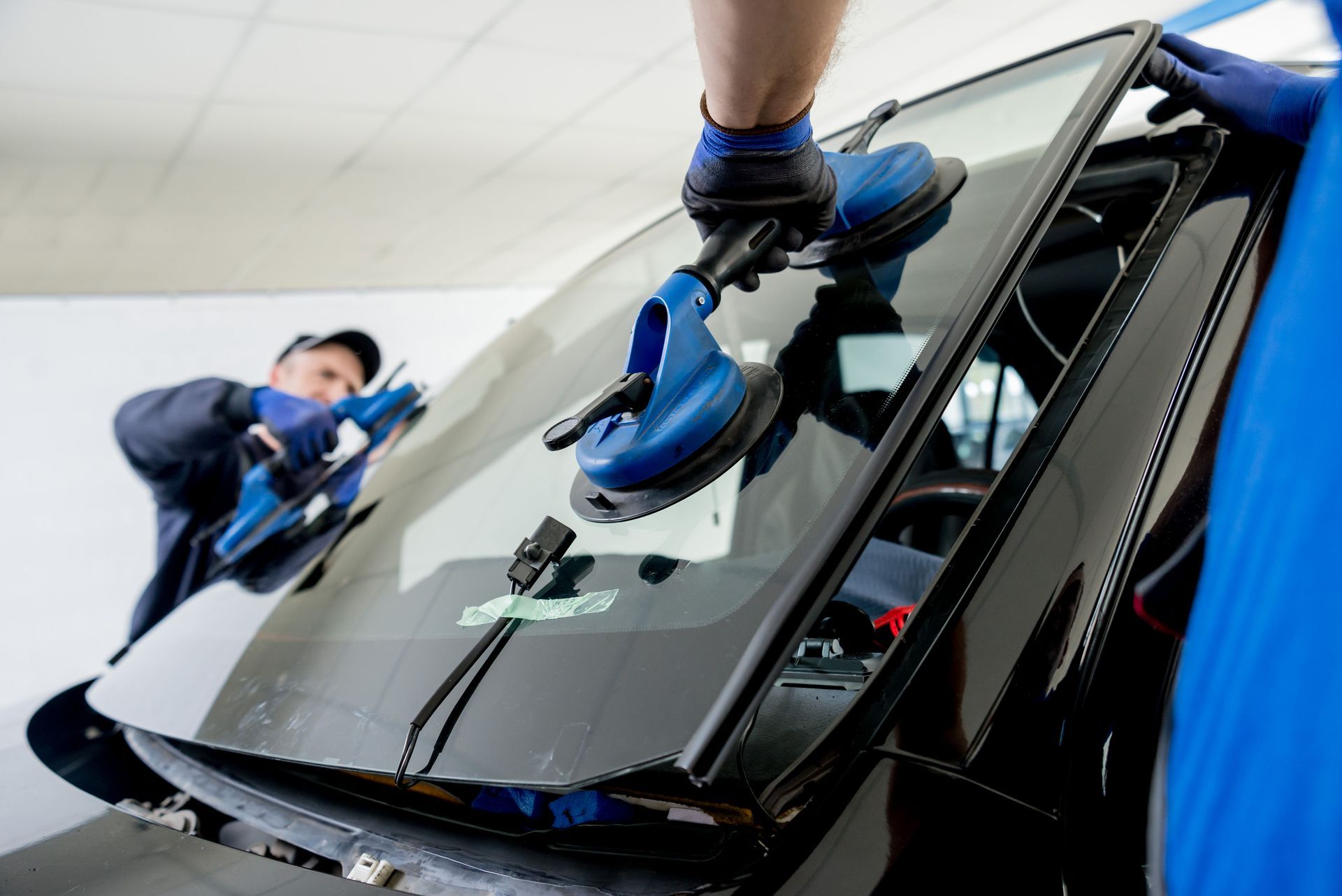
Attempting complex structural fixes without specialized training can compromise vehicle safety and trigger significantly higher corrective expenses later. Insurance claims typically require documented assessments from certified collision facilities to validate warranties and restore coverage. Modern vehicles feature advanced high-strength steels and complex composite materials that require specialized welding equipment and temperature control. Recognizing the limits of DIY work helps car owners avoid severe safety hazards and preserve overall vehicle integrity. Consequently, judicious decisions about repairs ensure the longevity and reliability of the vehicle.
Furthermore, professional repair facilities offer peace of mind by backing their workmanship with comprehensive lifetime repair warranties. Certified technicians conduct thorough multi-point structural inspections to identify hidden underlying damage that simple visual checks miss entirely. While minor cosmetic touching-up offers an economical hobby, it must never compromise structural safety or advanced driver-assistance systems. A balanced mindset that leverages professional expertise for major collisions guarantees safe driving conditions for years to come. Thus, integrating professional repair services promotes confidence in the vehicle's continued performance.
Select Matching Automotive Paint
Selecting the exact matching paint formulation is crucial for executing seamless touch-up repairs on your car's exterior bodywork. Locate your vehicle's specific paint code on the manufacturer plaque located inside the driver's side door jamb or engine bay. Modern automotive paint formulations come in acrylic, enamel, and urethane bases, with each offering distinct levels of durability and shine. Consulting professional auto body repair paint suppliers guarantees you acquire the exact shade matching your factory finish.
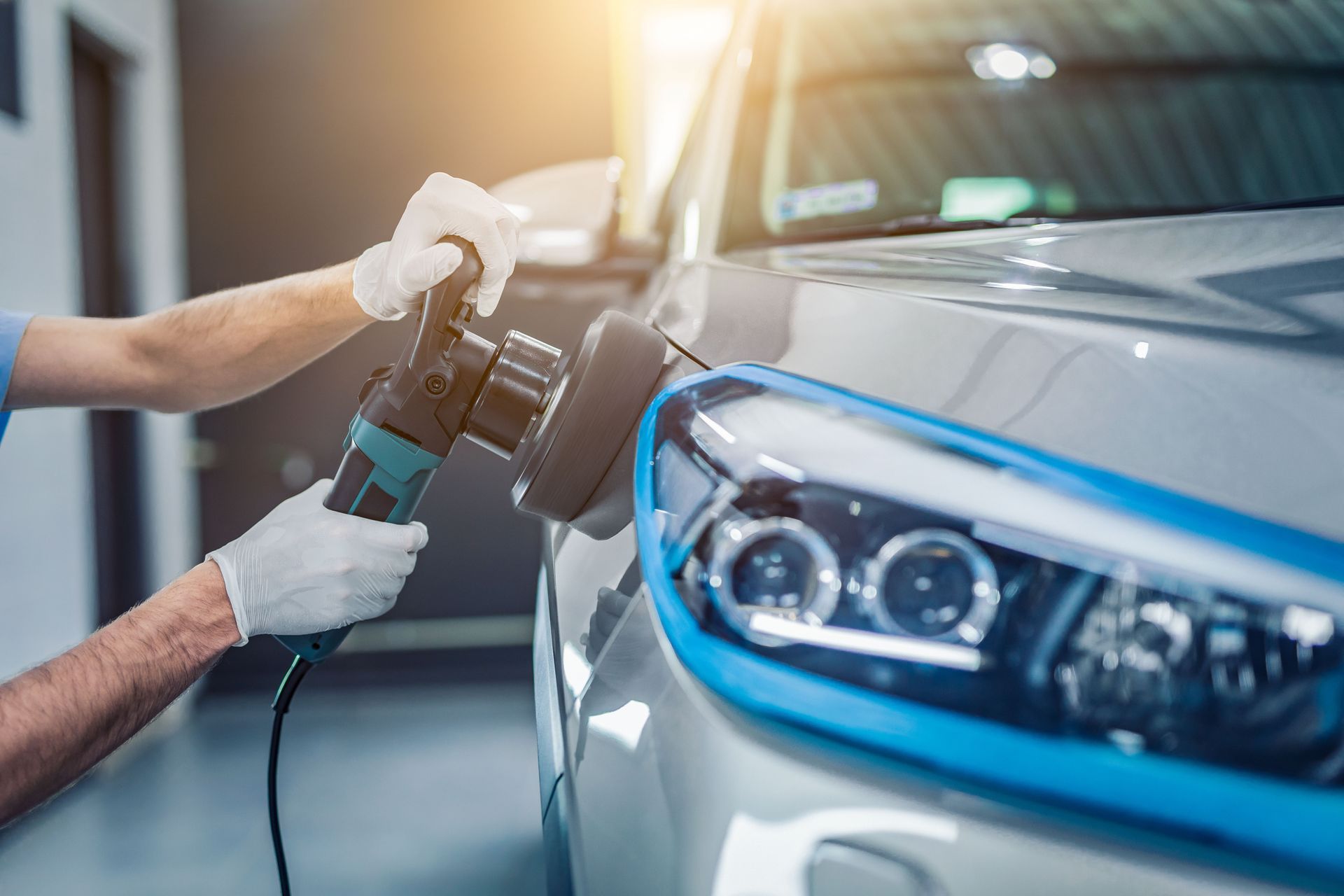
Urethane paints provide outstanding chip resistance and long-term protection against UV fading, making them the industry standard for professional refinishing work. Acrylic lacquers offer easy application for simple touch-up pens, though they require regular polishing to maintain high gloss levels. Enamel paints provide a balanced, durable finish that cures hard while offering good resistance to light weather exposure. Understanding these chemical differences ensures you pick the ideal paint type for your specific repair goals.
Maintaining your vehicle's exterior through proper care, timely maintenance, and knowledgeable repair choices preserves both its safety and resale value over time. Whether managing simple cosmetic scratches at home or navigating major collision fixes, taking an informed approach guarantees high-quality results for your automobile. When dealing with complex structural damage, choosing an experienced, reliable repair shop gives you long-term confidence on the road. Serving Rhode Island Since 1975, Ken Rocha Collision, LLC provides expert collision services, Lifetime Warranty on Collision Repairs, and Complimentary Loaner Vehicles to keep you moving safely—contact their dedicated team today for all your professional auto body repair needs.