By Kyle Rocha
September 14, 2026
A windshield can appear intact after a collision while still having hidden damage. Small chips, stress marks, and weakened bonding may not be obvious during a quick inspection. These issues can affect visibility, cabin protection, and the overall condition of the vehicle. Drivers may assume that only the bumper, hood, or fenders need attention after an impact. However, the windshield can also experience pressure that changes its strength and performance. According to SafeWindshields, the windshield can provide up to 45% of a vehicle cabin’s structural integrity during a front-end collision and as much as 60% during a rollover. This makes windshield condition an important part of post-accident inspections. Professional collision repairs should include a careful review of the glass and the surrounding structure.
Identifying Small Glass Chips
Small chips are among the most common windshield problems after a collision. They may form when gravel, broken vehicle parts, or other debris strikes the glass. A chip can appear minor, but the impact may create stress beneath the visible surface. Temperature changes and road vibration can cause the damaged area to spread over time. Cracks may also grow when the vehicle travels over potholes or uneven pavement. Drivers should avoid assuming that a small mark will remain unchanged. A technician can examine the size, location, and depth of the damage. Prompt collision repairs may prevent a small glass defect from becoming a larger safety concern.
Examining Spreading Cracks
Cracks can develop in several directions depending on where the windshield was struck. A straight crack may extend across the glass, while branching cracks can spread outward from a central impact point. Long cracks may interfere with the driver’s view, especially when they cross the line of sight. They can also weaken the surrounding glass and make future impacts more dangerous. A crack near the edge of the windshield deserves particular attention because the perimeter supports the glass. Heat from the sun or a vehicle defroster may cause a damaged area to expand. Drivers should have spreading cracks evaluated before continuing to use the vehicle regularly. Collision repairs may involve glass replacement when the damage cannot be safely restored.
Checking the Windshield Edges
The edges of the windshield can experience stress even when the center of the glass looks clear. During a collision, the glass may shift slightly within its frame or experience pressure near the bonded perimeter. Damage in this area can be difficult to notice without a close inspection. Small edge cracks may grow as the vehicle moves over rough roads. The seal around the glass may also become loose, torn, or separated from the frame. These problems can allow water, wind, or outside noise to enter the cabin. A damaged edge may also affect how securely the windshield remains in place. Professional collision repairs should include an inspection of the entire perimeter rather than only the visible center.
Inspecting the Adhesive Bond
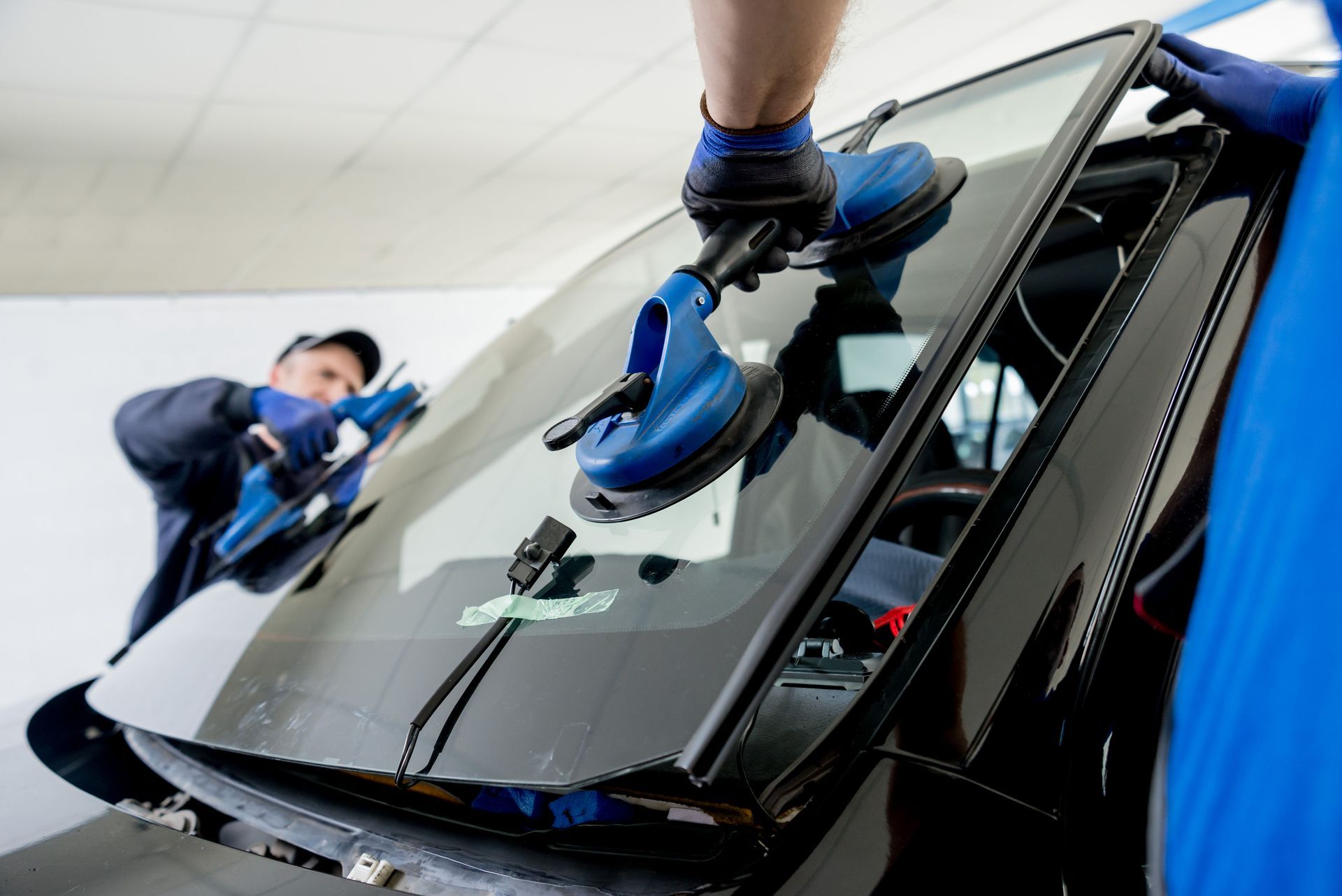
The windshield is held in place by a strong adhesive bond that connects the glass to the vehicle body. A collision can place pressure on this bond even if the glass does not break. Separation may occur near a corner, along one side, or around a section of the frame. Drivers may notice wind noise, water leaks, or movement around the glass when the bond has been affected. In some cases, the damage may not be visible from inside the vehicle. A qualified technician can inspect the bonding area for gaps or signs of separation. The windshield should not be treated as secure simply because it remains in the frame. Collision repairs may require careful removal and replacement to restore the proper bond.
Reviewing the Surrounding Frame
The metal frame around the windshield can also be affected by a front-end or rollover collision. Even a small amount of distortion may change how the glass fits within the opening. A bent frame can create uneven pressure along the windshield edges. This pressure may contribute to cracks, leaks, or problems with future glass installation. Technicians should look for dents, shifted panels, damaged seams, and changes in the shape of the opening. The frame must provide a stable surface for the windshield and its adhesive. Repairs to the surrounding structure may need to happen before new glass is installed. Proper collision repairs address the supporting structure instead of treating the windshield as an isolated part.
Evaluating Hidden Stress Marks
Stress marks can appear as fine lines, cloudy areas, or patterns that are difficult to see from certain angles. These marks may develop when the windshield flexes during an impact. They can indicate that the glass has experienced pressure beyond normal driving conditions. Some marks become more visible in bright sunlight or when light reflects across the windshield. Others may be noticed only when a technician uses a close inspection light. Stress marks should be documented because they may spread or affect visibility later. A vehicle owner should not rely on ordinary glass cleaning to remove these signs. Collision repairs can help determine whether the windshield is suitable for continued use or needs replacement.
Checking Visibility and Distortion
A windshield can remain in one piece while still creating visual problems for the driver. Impacts may cause small distortions, scratches, or reflective patterns across the glass. These issues can become distracting when headlights, sunlight, or rain hit the windshield. Damage near the driver’s direct viewing area may be especially serious. Even minor distortion can make it harder to judge distances or identify objects on the road. Technicians should examine the glass from the driver’s seat as well as from outside the vehicle. Cleaning the windshield may help reveal damage that was hidden by dirt or residue. If visibility cannot be restored, collision repairs may include replacing the affected glass.
Examining Advanced Safety Features
Many modern vehicles use windshield-mounted cameras and sensors for driver-assistance features. These systems may support lane warnings, automatic braking, traffic sign recognition, or adaptive cruise control. A collision can shift the camera housing or affect the position of the windshield. Even if the glass is replaced, the safety system may need calibration afterward. Incorrect camera alignment can reduce the accuracy of the vehicle’s assistance features. Warning lights or unusual system behavior should be reported during the inspection. Technicians should confirm whether the vehicle has any equipment attached to or near the windshield. Complete collision repairs should account for both the glass and the technology connected to it.
Inspecting Water and Air Leaks
A damaged windshield seal can allow water to enter the vehicle during rain or washing. Moisture may collect around the dashboard, headliner, pillars, or carpeting. Continued exposure to water can lead to stains, odors, mold growth, and electrical concerns. Air leaks may create whistling sounds that become louder at higher speeds. These noises can indicate that the windshield is not fully sealed against the frame. Water leaks should be addressed quickly because hidden moisture may cause damage beyond the glass itself. A technician can use a controlled inspection to locate gaps around the windshield. Collision repairs may include resealing or reinstalling the glass to restore protection from the outside elements.
A complete evaluation helps determine whether the windshield can be repaired or should be replaced. It also helps identify problems that may affect visibility and cabin protection. Ken Rocha Collision, LLC can assist vehicle owners with careful inspections and collision-related glass concerns. The team can evaluate visible and hidden damage while considering the condition of the surrounding vehicle structure. Contact us today to discuss collision repairs and take the next step toward restoring a safe, dependable vehicle.