By Kyle Rocha
January 5, 2026
Understanding the importance of identifying hidden damage in high-speed collisions is crucial for safety, insurance claims, and ensuring the vehicle's longevity. This article explores the common types of hidden damage and offers guidance on how to uncover them for effective auto collision repair. High-speed collisions can severely impact a vehicle's structural integrity, leading to both visible and hidden damage. Recognizing these hidden issues ensures thorough repairs, thereby restoring the vehicle to its optimal condition. In light of the NHTSA finding that speeding is the top cause of fatal crashes, it becomes evident that the aftermath of such incidents must be meticulously addressed.
Understanding the Basics of Auto Collision Repair
High-speed collisions exert tremendous force on the vehicles involved, often resulting in extensive damage. The energy from the impact can distort a vehicle’s frame, compromise critical components, and lead to hidden faults. Engineers analyze crash dynamics to enhance safety features, but even the most sophisticated designs have limits when exceeding certain speeds. Understanding the physics behind these collisions helps in appreciating the complex nature of the repairs required. Comprehensive knowledge of collision dynamics allows repair experts to anticipate and identify possible hidden damage more effectively.
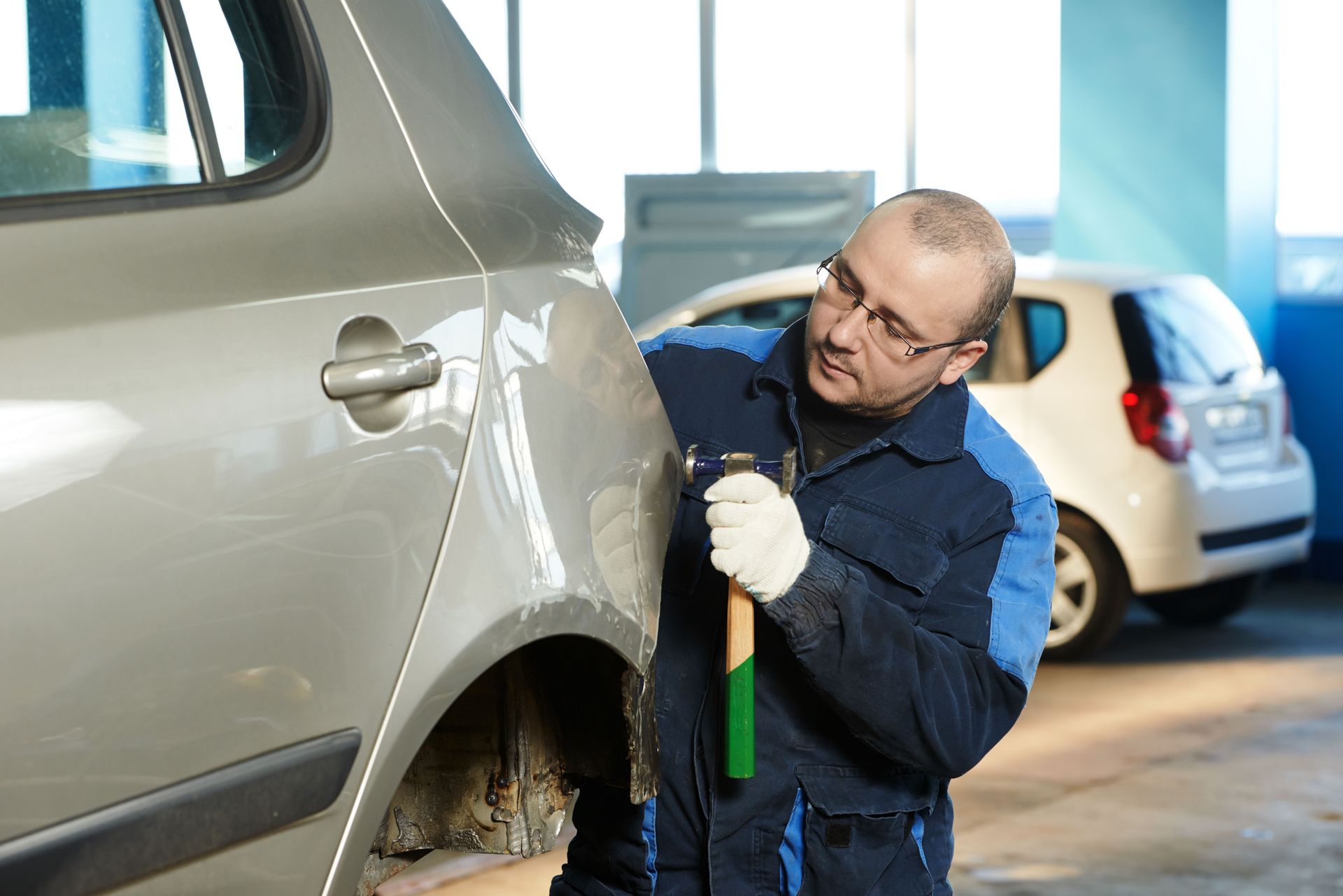
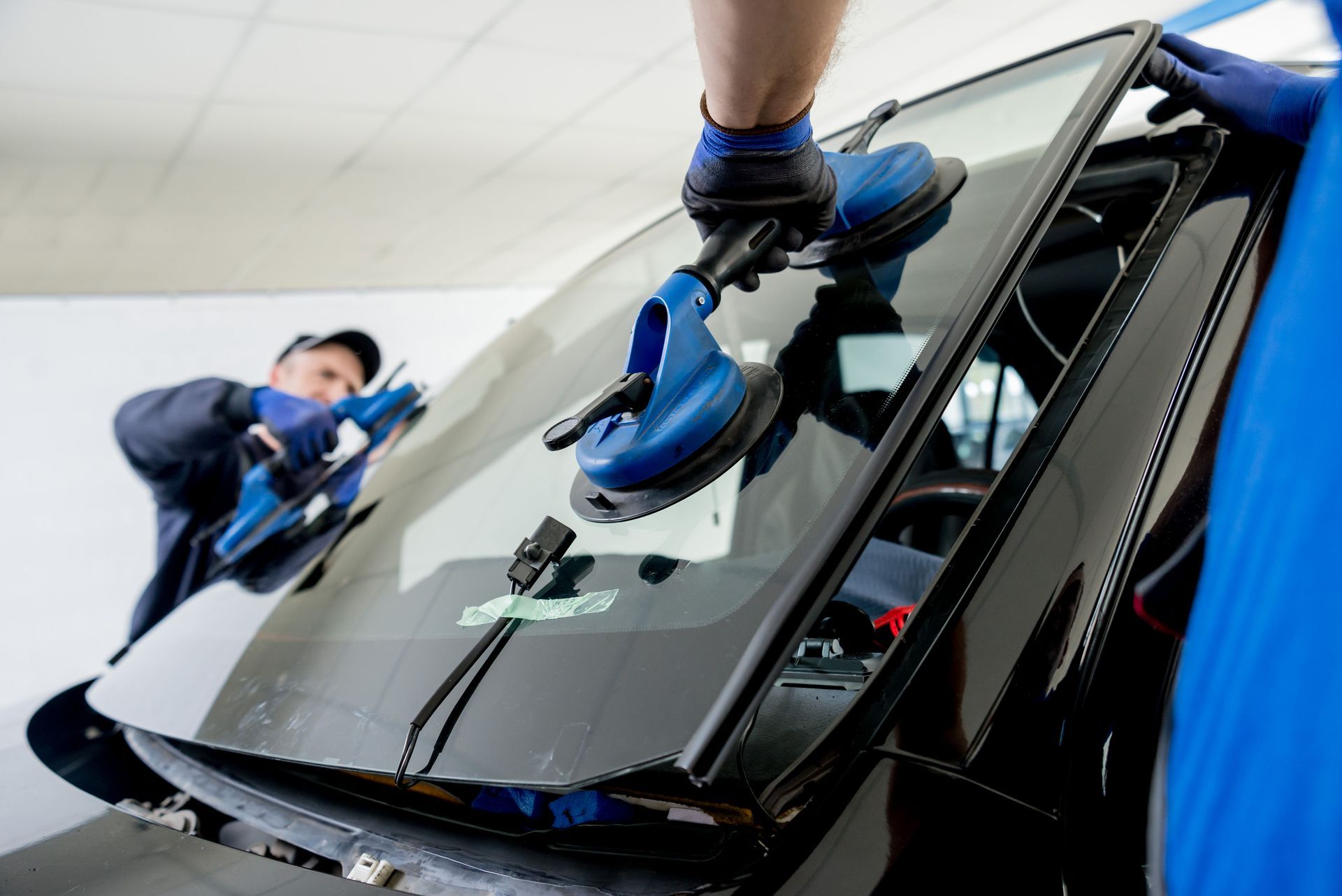
Visible damages like dents, scratches, and broken glass are often the first to be addressed post-collision. However, hidden damages such as frame distortions and internal component dislocations present a more problematic challenge. Addressing only the surface issues can lead to future problems with the vehicle's performance and safety. Structural damage, if left unidentified, can compromise the vehicle's ability to absorb energy in future impacts. Recognizing these different types of damage ensures that vehicles are restored to a safe and reliable state.
Visible damages are often straightforward to identify, using methods such as visual inspection and conventional repair techniques. In contrast, hidden damages require specialized tools and technologies to be exposed. These damages may lurk beneath the surface, impacting the vehicle's structural integrity, safety, and performance. Auto collision repair technicians must distinguish between the two to ensure comprehensive repair and restoration. This distinction enables better approach strategies and often leads to a more informed insurance claim submission. Did you know? According to the NHTSA, speeding is the top cause of fatal crashes, accounting for nearly one-third of all road vehicle accidents in the last two decades.
Collision repair professionals play a vital role in detecting and rectifying both visible and hidden damage. Their expertise and analytical skills allow them to identify the discrepancies and abnormalities in a vehicle's structure and function post-collision. Continuing education for these professionals ensures they keep pace with evolving technologies and repair techniques. Skilled technicians utilize advanced diagnostic tools to uncover hidden problems that might escape untrained eyes. Ultimately, their work ensures that vehicles meet safety standards and are roadworthy after repairs.
Identifying Common Hidden Damages
Frame damage is among the most serious hidden damages, often undermining a vehicle’s stability, which can require auto collision repair. The frame acts as the skeleton, protecting the passengers and supporting the vehicle's components. Distortions in the frame can lead to misalignments and uneven stress distribution. Detecting frame damage requires specialized tools and often involves precision measurements. Undetected frame damage can lead to compromised safety in any subsequent collision, emphasizing the need for thorough inspections.
The suspension system is crucial for absorbing shock and maintaining vehicle control. High-speed collisions can strain or break suspension components, manifesting in subtle issues like abnormal tire wear or handling problems. These issues often remain hidden until further strain exacerbates the damage. Evaluating the suspension system involves examining components like shocks, struts, and bushings for misalignments or damage. A compromised suspension can drastically affect road control and safety, necessitating timely and effective repairs.
Alignment issues are subtle yet critical forms of hidden damage occurring after high-speed collisions. They manifest as steering difficulties, uneven tire wear, and an increase in fuel consumption. These problems often go unnoticed until they affect the vehicle's drivability. Accurately diagnosing alignment problems requires a thorough understanding of the vehicle's specifications and specialized alignment equipment. Properly addressing these issues restores the vehicle’s optimal performance and extends the lifespan of its components.
Electrical systems are intricate networks susceptible to short circuits and failures after a collision. Damages may disrupt critical systems such as airbags, lights, and engine control units. Identifying these failures requires sophisticated diagnostic tools to inspect wiring and electronic components. Repairing these systems is essential not only for functionality but also for passenger safety. Ensuring these repairs are comprehensive requires cutting-edge diagnostic technology and experienced technicians.
Tools and Techniques for Detecting Hidden Damages
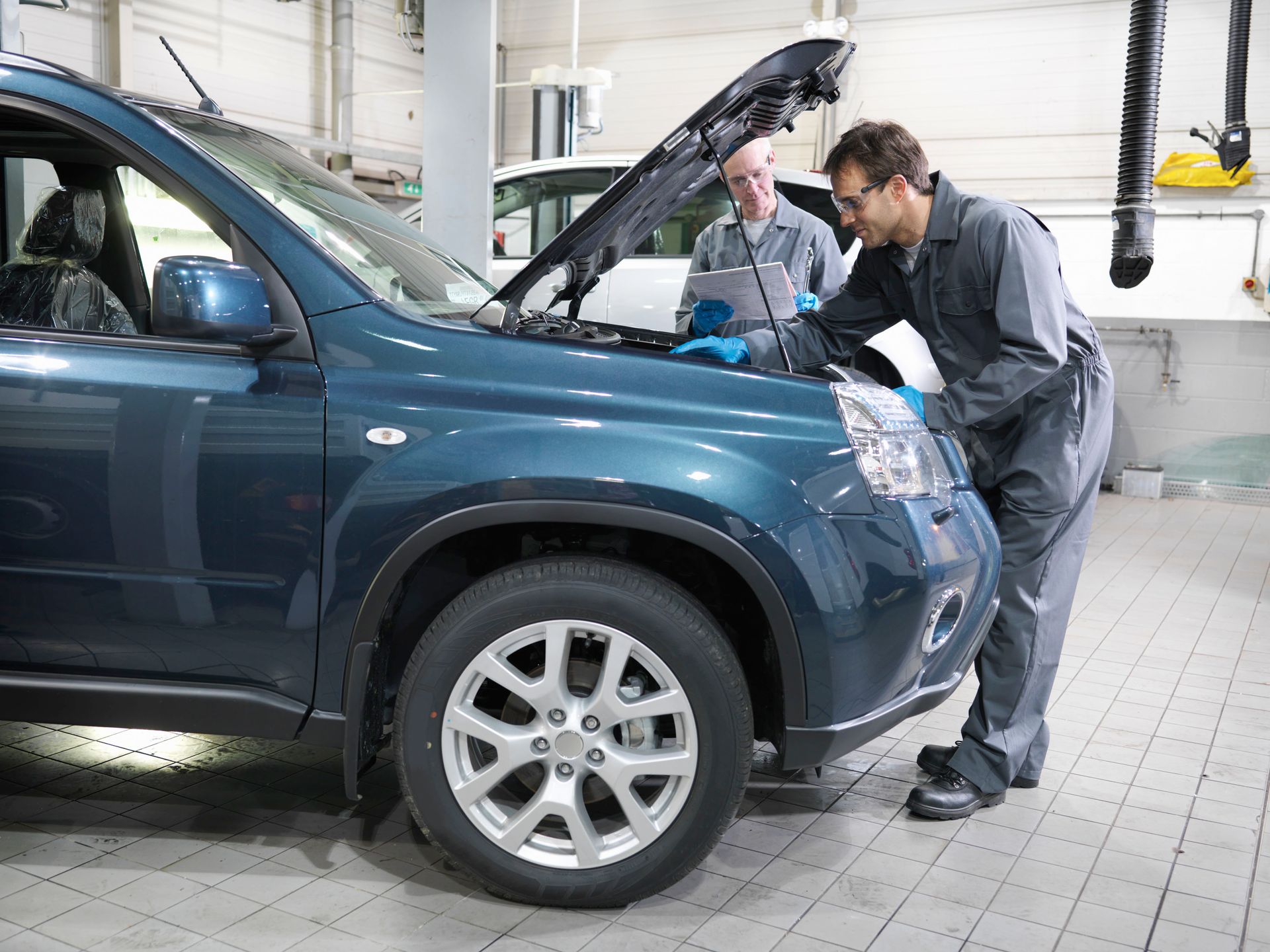
Visual inspections remain a crucial first step in identifying potential hidden damage needing auto collision repair. Skilled technicians utilize trained eyes to spot discrepancies or subtle signs of damage. Detailed visual checks can often lead to the discovery of underlying issues that require further investigation. Consistency and thoroughness in visual inspections maximize their effectiveness. However, these inspections are just one aspect of a multifaceted approach necessary to identify hidden damages comprehensively.
Advancements in diagnostic technology have revolutionized the collision repair process. Modern diagnostic equipment allows technicians to delve deeper into a vehicle's systems, uncovering hidden issues with precision. From computerized diagnostics to digital sensors, these tools are indispensable in the modern repair shop. They expedite the identification process, enhancing both accuracy and efficiency in repairs. Integrating these technologies ensures no damage goes unnoticed, safeguarding vehicle performance and rider safety.
High-tech imaging equipment, including X-rays and ultrasounds, offers unparalleled insight into a vehicle's condition when deciding on auto collision repair. These technologies allow for the invisible layers of a vehicle to be examined without invasive procedures. Structural anomalies, fractures, and component dislocations that are obscured from view can be precisely mapped and identified. Such detailed imagery enhances the repair process by outlining the exact areas requiring attention. The implementation of high-tech imaging has significantly improved the effectiveness and precision of collision repairs.
Computerized scanning systems are integral in diagnosing modern vehicles, given their increasingly complex electronic systems. These systems analyze electronic control units and various sensors to check for fault codes and system malfunctions. Comprehensive scans can reveal errors or damage that visual inspections may miss, particularly in vehicles with integrated technology. By highlighting these problems early, computerized scanning helps prevent further deterioration and costly future repairs. Incorporating scanning systems into repair procedures ensures vehicles are returned to their owners in peak condition.
High-speed collisions often come with hidden damages that require expert detection and repair strategies. By following informed practices, using advanced technologies, and keeping up with industry trends, vehicle owners and repair professionals can ensure vehicles are safe and roadworthy post-repair. Addressing hidden damages comprehensively helps maintain vehicle integrity and safety standards, ultimately protecting lives. As technologies evolve, so must repair practices, ensuring they adapt to new automotive innovations and the increasingly complex systems found in modern vehicles.
Emphasizing thorough inspections and repairs aligns with road safety initiatives, highlighting the importance of effective damage assessment post-collision. This holistic approach not only enhances driver confidence but also supports accurate insurance claims and long-term vehicle reliability. In a landscape where high-speed collisions remain a leading cause of fatal accidents, prioritizing meticulous evaluation of hidden damage is essential. By integrating expert knowledge, precision tools, and continuous learning, collision repair professionals play a crucial role in restoring safety, performance, and peace of mind for every driver on the road. Contact Ken Rocha Collision, LLC for all your auto collision repairs today.