
Why Honda Rejects Wheel Reconditioning in Collision Repair and How This Affects You
Kyle Rocha • March 1, 2021

March 1, 2021

Wheel reconditioning is a dangerous practice in collision repair.

Honda is very clear that the company does not approve of any wheel repair that involves reconditioning.  

If you are not familiar with wheel reconditioning, it is a process of using various tools and methods to try to repair a damaged wheel, instead of replacing it entirely.   Some methods include welding, reforming, or reshaping the wheel.  

When it comes to steel and aluminum wheel repair, Honda has issued a Position Statement explaining that they do not accept wheel reconditioning in any vehicle repairs.   Here’s what they say:

“American Honda Motor Co, Inc. does not approve of any repair of steel or aluminum wheels that involves welding, bending hammering, straightening, re-machining, reforming, or adding new material.”

The reason why Honda does not approve of wheel reconditioning is that it’s simply not worth the risk to your life to take chances with the state of your wheels.  If the wheels are damaged enough to warrant reconditioning, then they should just be replaced outright.  

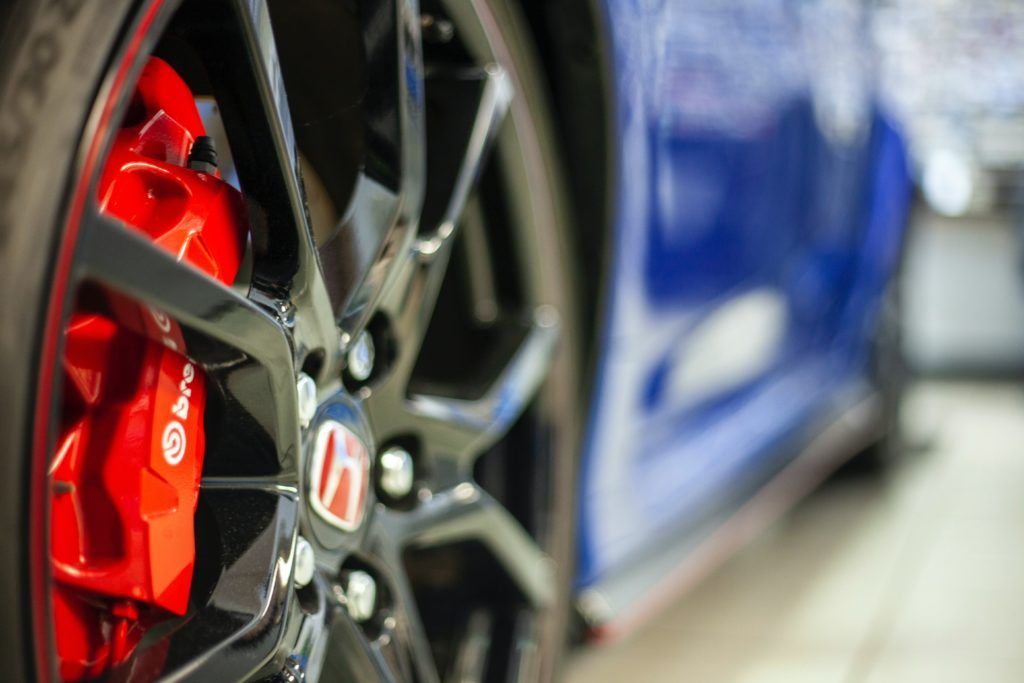
Heating, welding, reshaping, and any other methods of reconditioning could compromise the structural integrity of your wheels.  Being the only parts of the car to actually make contact with the road, your wheels are essential to your safety and are worth investing in.  


What wheel repairs are approved by Honda?

While wheel reconditioning is not approved of by Honda, some light refinishing is permitted:

“Any repair of steel or aluminum wheels must be strictly limited to minor cosmetic sanding or polishing that removes just the finish.”

Basically, only superficial cosmetic adjustments are allowed, since they won’t jeopardize the integrity of the wheel structure.  Minor sanding and polishing repairs do not involve the use of heat or reshaping that reconditioning would entail.  


Reconditioned wheels will void your warranty.

Another major reason to avoiding wheel reconditioning is that it can void your warranty:

“American Honda will not warrant any wheel other than an undamaged original or a new replacement part.”

The practice of wheel reconditioning is so problematic that Honda won’t even warrant wheels that have been repaired with this method.  Not only is wheel reconditioning dangerous to your vehicle and yourself—it’s dangerous to your wallet, as well.   


Not all shops follow these recommendations, but we do.

It’s disappointing, but some shops throw caution out the window and continue to practice wheel reconditioning, despite Honda’s adamant recommendation to avoid this practice at all costs.   They can get away with this because no body shop is actually forced to adhere to a manufacturer’s Position Statement.  

At our shop, we strongly believe that there’s no reason to take a chance with your Honda’s repair by going against the advice of the manufacturer.  

Reconditioned wheels can lead to very dangerous problems down the road.   We will always replace your Honda’s wheels entirely if they’ve sustained significant damage.   You won’t have to worry about driving on unstable wheels when you bring your vehicle to us.  

We always follow the manufacturer’s recommendations in order to deliver the safest possible repair to our customers.  

car body repairs
July 17, 2026
Discover why timely car body repairs are essential for your safety, vehicle structural integrity, and resale value. Keep your car looking and driving like new!
auto body repair
July 13, 2026
This article aims to debunk common misunderstandings about the body shop world, providing clarity and insight into the world of auto body repair.
car rental services
By Ken Rocha July 10, 2026
Discover how using car rental services during collision repairs helps you maintain daily routines, protect your commute, and keep your family on track.
Show More →