By Kyle Rocha
July 13, 2026
Auto body repair is often shrouded in myths and misconceptions that can lead to confusion and poor decisions when it comes to vehicle maintenance. This article aims to debunk these common misunderstandings, providing clarity and insight into the world of auto body repair. Understanding these myths can empower car owners to make informed choices, ensuring their vehicles remain in top condition. From cost misconceptions to the belief that all repair shops offer the same services, the world of auto body repair is complex. By separating fact from fiction, owners can avoid costly mistakes and enhance their vehicle's longevity.
1: DIY Repairs Are Effective
Risks of DIY Repairs
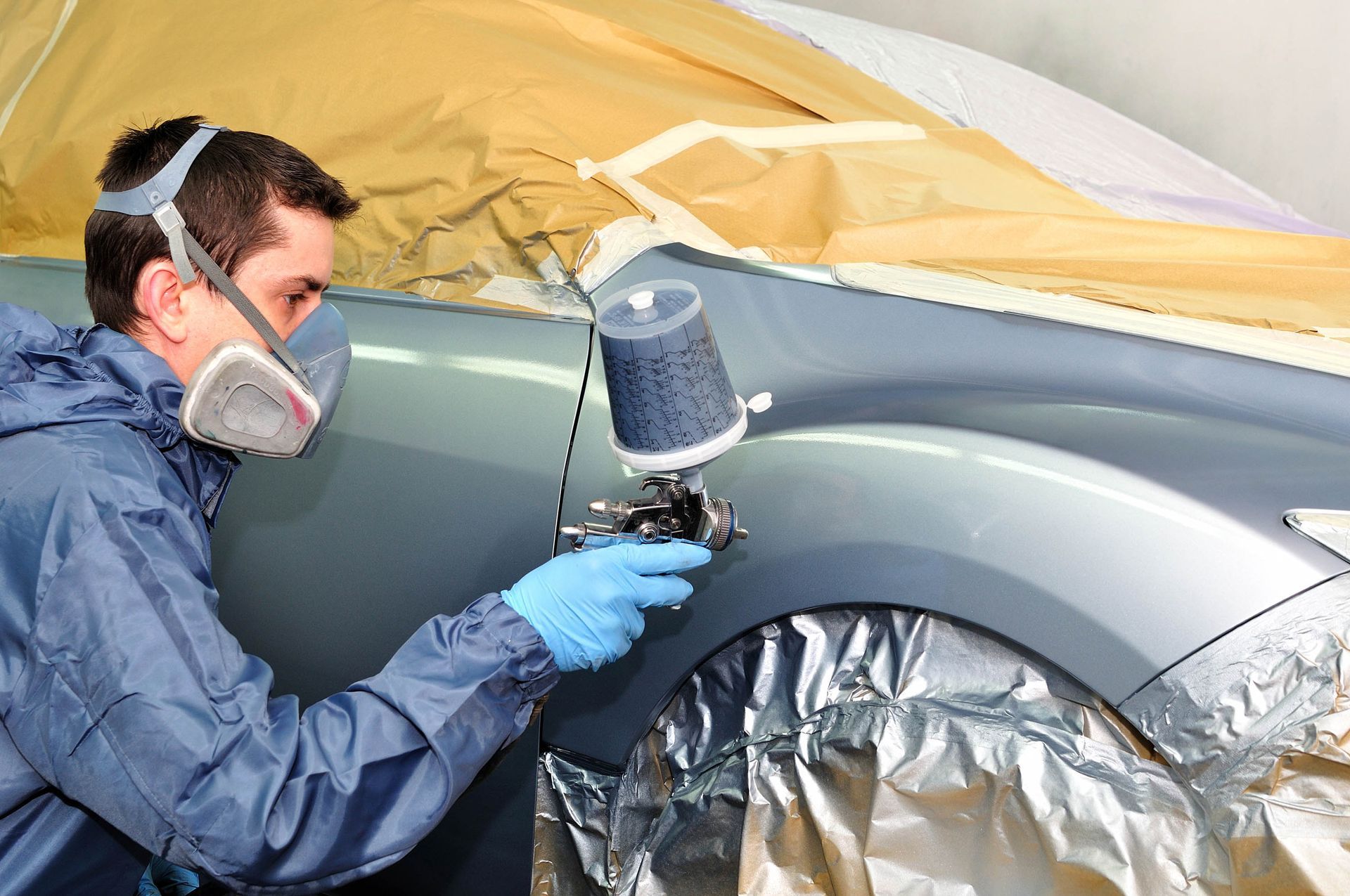
While the idea of do-it-yourself (DIY) repairs might seem appealing, it's actually a dangerous approach. DIY repairs can lead to unintended damage. For instance, without the proper tools and expertise, paint touch-ups can result in mismatched colors or uneven surfaces. Moreover, car owners might overlook underlying issues that trained technicians would identify during a professional inspection. These potential pitfalls highlight why professional interventions should be the preferred choice for auto body repair.
The Expertise of Professional Technicians
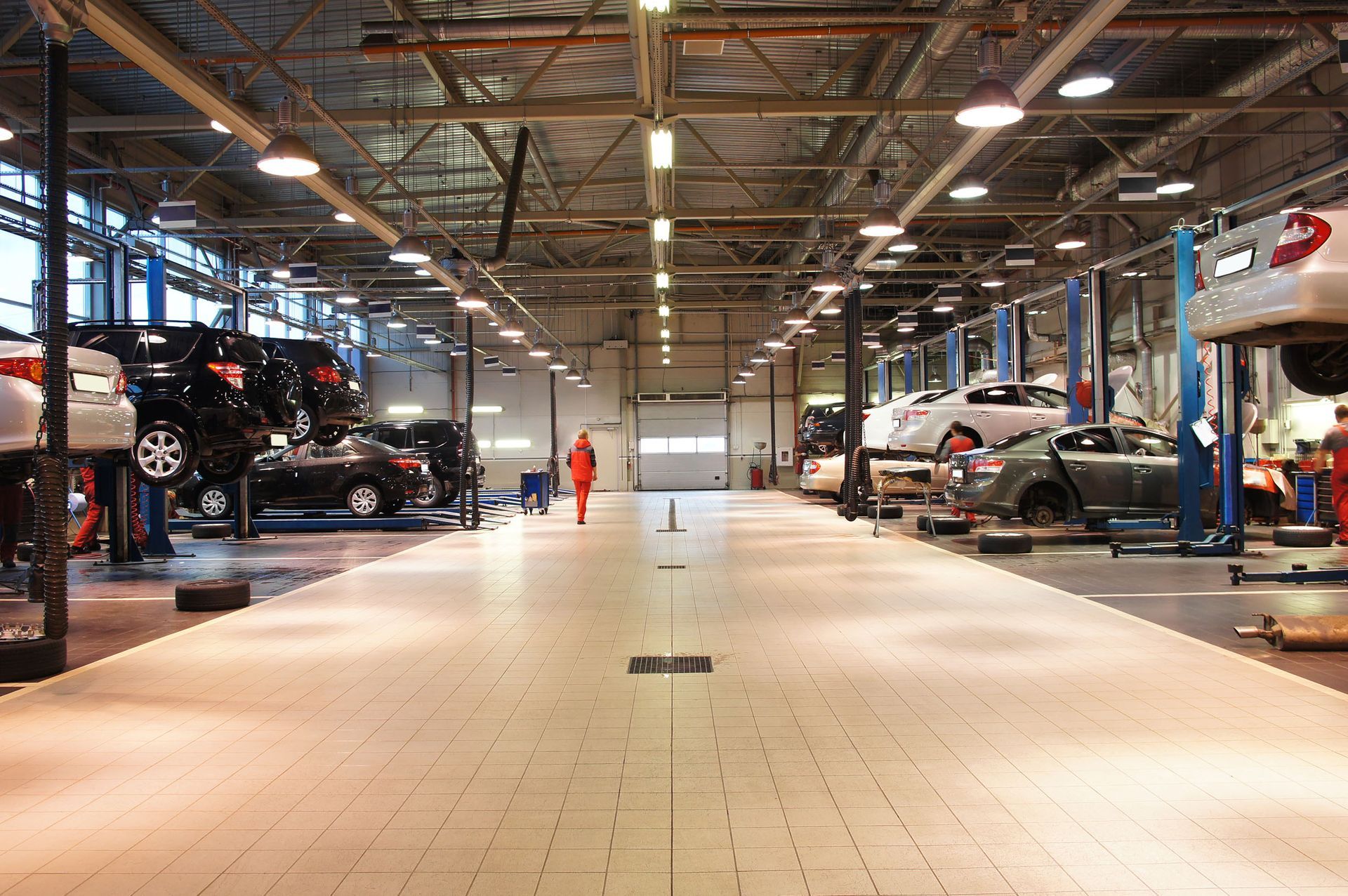
Professional technicians bring a wealth of experience and specialized knowledge to auto body repairs. They are trained to use advanced diagnostic tools to identify and rectify underlying issues that might not be evident to the untrained eye. Their expertise ensures that repairs are completed to a high standard, often with warranties that provide peace of mind. According to Wi-Fi Talents, 70-80% of vehicle repairs are carried out by independent repair shops rather than dealerships. This statistic underscores the trust many vehicle owners place in professional technicians to maintain their vehicles' integrity and longevity.
2: Auto Body Shops Are All the Same
Variety in Service Offerings
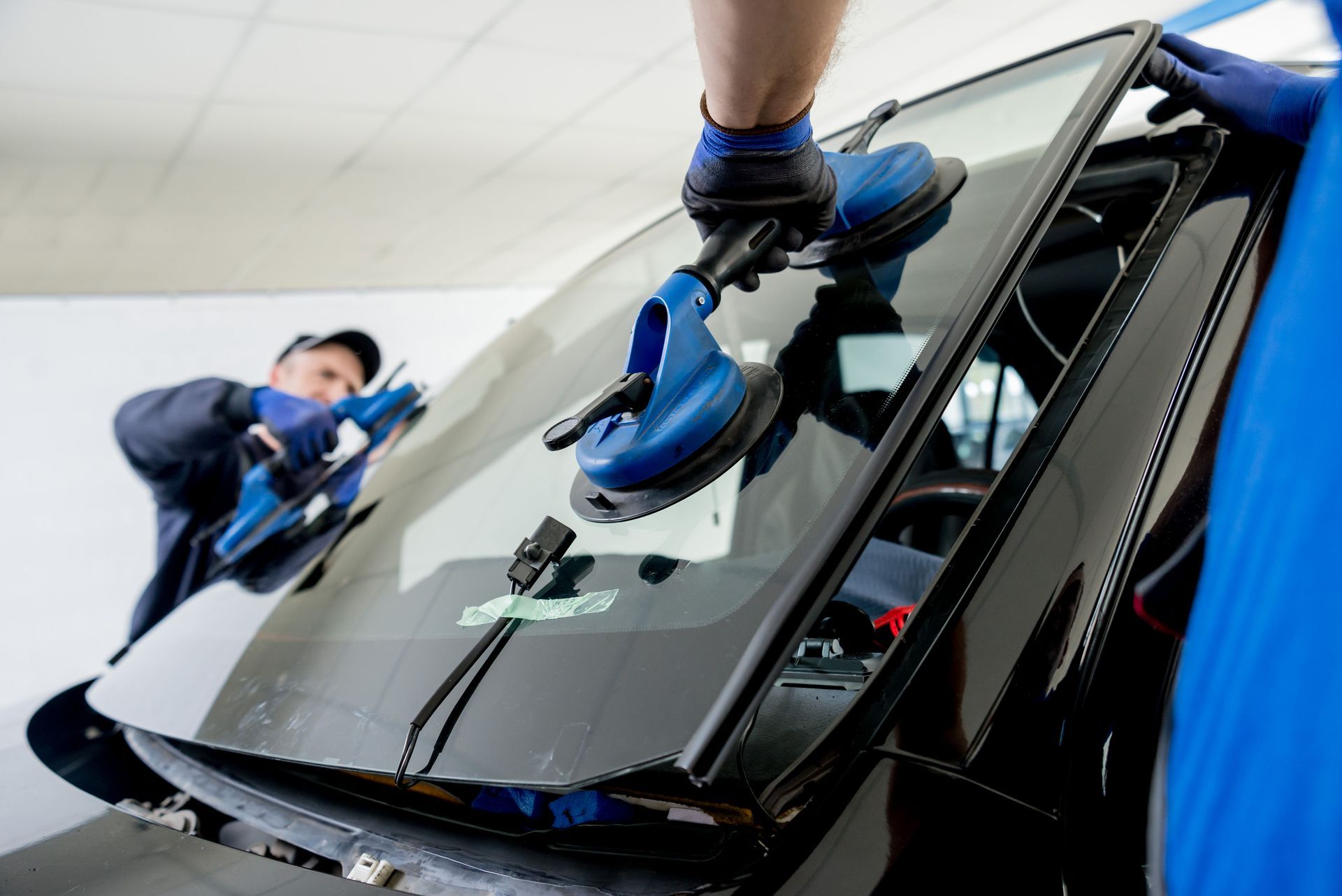
Not all auto body shops offer the same range of services, which can make a substantial difference in repair outcomes. Some shops specialize in specific repair types, such as frame straightening, paint jobs, or glass replacement. Others may focus on luxury vehicles, using specialized tools and techniques that align with high-end manufacturer standards. This specialization can lead to significant variances in both cost and quality of service. Therefore, it's crucial for car owners to research and select a shop that aligns with their specific repair needs and expectations.
Certification and Experience Levels
Auto body shops can vary greatly in terms of the certification and experience levels of their technicians. Credentials such as the Automotive Service Excellence (ASE) certification or I-CAR Gold Class recognition indicate a commitment to continuing education and high industry standards. Additionally, the experience level within a shop can impact repair quality, with seasoned technicians often able to deliver more precise and durable repairs. Customers should inquire about these credentials when selecting a repair facility to ensure their vehicle receives the best care possible. This diligence helps prevent potential issues and enhances the overall repair experience.
Reputation and Customer Service
The reputation of an auto body shop often reflects the quality of service and customer satisfaction. Online reviews, word-of-mouth referrals, and ratings can provide insight into previous customers' experiences and the shop's reliability. High-quality shops typically prioritize transparent communication, ensuring customers remain informed throughout the repair process. Excellent customer service includes clear explanations of necessary work, prompt updates on progress, and assistance with insurance claims. By choosing a shop with a solid reputation, vehicle owners can build a trusting relationship that lasts beyond just a single repair service.
3: Insurance Always Covers Auto Body Repairs
Policy Limitations
Drivers often assume their insurance will cover all auto body repair costs, but this isn't always the case. Coverage is typically subject to the specifics outlined in the insurance policy, which may exclude certain types of damage. For example, cosmetic wear and tear might not be covered under standard policies. Furthermore, understanding your deductible is crucial, as this is the amount you'll pay out-of-pocket before insurance takes over. Clarifying these policy limitations can prevent unexpected expenses and aid in planning for potential repair costs.
Variables Affecting Coverage
Numerous variables can impact whether an insurance policy will cover specific repairs. The nature of the damage, whether it's from an accident, vandalism, or natural events, will influence coverage. Additionally, the responsible party involved in an incident plays a role; certain policies might only cover at-fault accidents. Location and usage of the vehicle may also affect claim approvals, especially if the vehicle is used for purposes not covered such as ride-sharing. Car owners must thoroughly understand their policy and communicate with the insurance provider to confirm coverage eligibility for various repairs.
4: Repairs Take Too Long to Complete
Factors Determining Repair Timeframes
Repair completion times can vary based on several factors, challenging the misconception that all repairs are excessively lengthy. The complexity and extent of the damage play a primary role; more severe damage naturally requires more time to address. Parts availability can also impact timeframes, especially if the vehicle requires rare or custom components. Shop workload and staffing levels are additional variables affecting how soon repair work begins or finishes. By understanding these factors, drivers can better anticipate how long their vehicle might be in the shop and plan accordingly.
Common Causes of Delays
Delays in auto body repair are not uncommon and can arise from various unavoidable circumstances. Parts shipments might be delayed due to supply chain issues or incorrect orders, halting progress. Communication gaps between shops and insurance companies can extend timelines, particularly when verifying claims and receiving approvals. Severe weather conditions may also disrupt scheduled work, causing shifts in completion dates. Although it's not always possible to prevent delays, choosing a reputable shop with strong communication skills can help minimize them.
Importance of Communication
Effective communication between the car owner, the repair shop, and the insurance company is crucial to minimize delays and manage expectations. Clear communication ensures that all parties remain informed about repair progress, timelines, and any potential issues. Establishing an open line of dialogue from the outset helps address concerns promptly, reducing uncertainty. Regular updates from the shop allow car owners to make necessary arrangements, especially if alternative transportation is needed. Ultimately, proactive communication can improve the overall repair experience, leaving car owners satisfied even if delays occur.
5: Cosmetic Damage Doesn't Need Immediate Repair
Negative Effects of Ignoring Cosmetic Damage
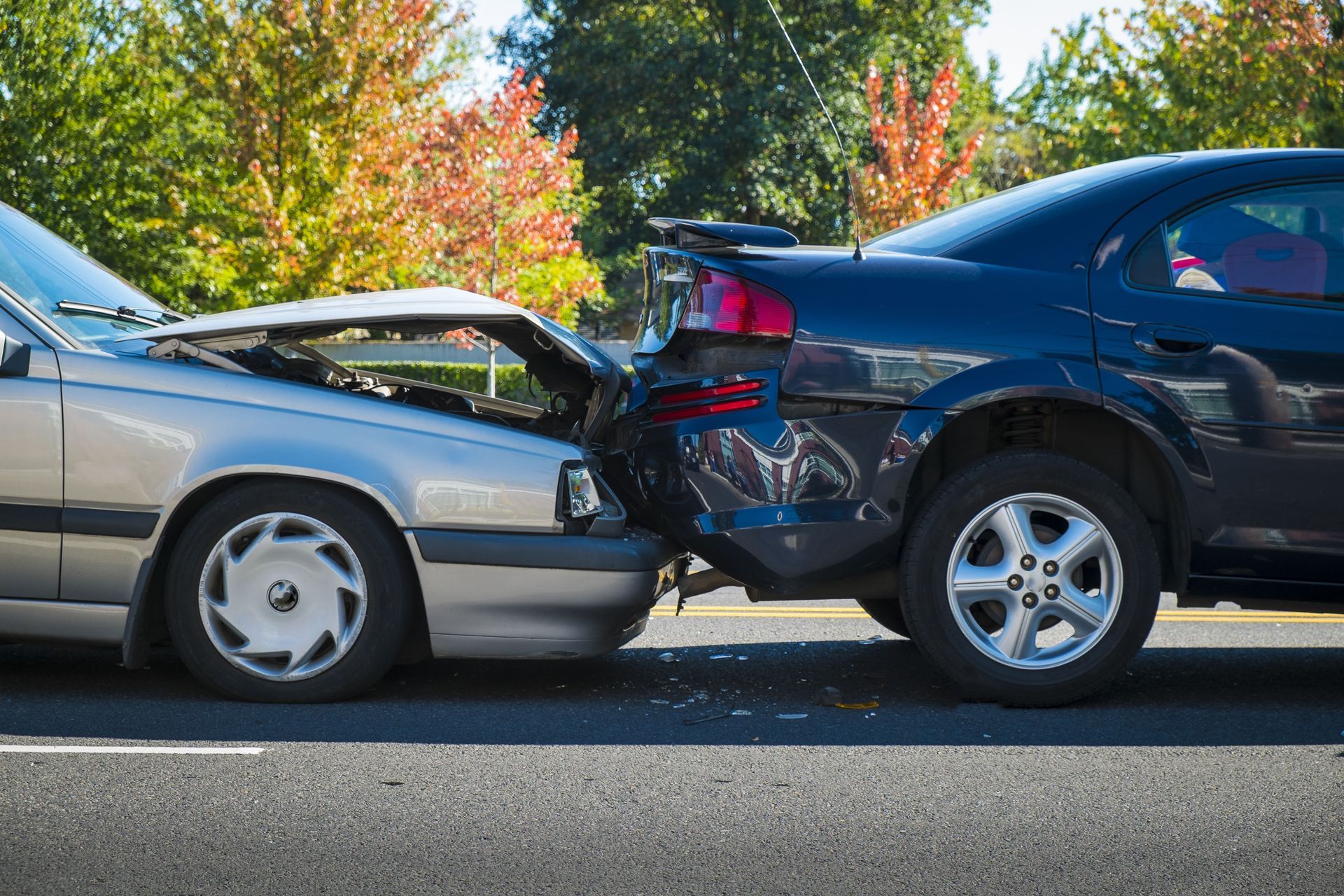
Ignoring cosmetic damage on a vehicle can have more significant repercussions than initially perceived. Minor dings and scratches might lead to rust over time, especially in harsh weather conditions, compromising the vehicle's structural integrity. These small issues can become more extensive, demanding more significant repairs in the future and adding to overall costs. Additionally, untreated cosmetic damage may affect vehicle performance if it disrupts aerodynamics or covers sensor areas. Addressing cosmetic damage promptly can prevent long-term complications and preserve the vehicle's functionality.
Impact on Vehicle Value
Cosmetic issues, while seemingly minor, can significantly diminish a vehicle's resale value. Prospective buyers tend to view cosmetic damage as a red flag, often perceiving neglect as indicative of broader maintenance issues. Vehicles in pristine condition are likely to fetch higher prices and sell faster compared to those with visible blemishes. Regular maintenance, including addressing cosmetic damage, maintains the vehicle's aesthetic appeal, bolstering owner pride and market value. For car owners looking to sell or trade-in, repairing cosmetic damage becomes a worthwhile investment.
Structural Risk Factors
Superficial damage often hides deeper structural problems that, if ignored, could escalate into severe safety concerns. Small dents or scrapes may indicate underlying frame damage, compromising the vehicle's safety in subsequent impacts. Without proper assessment, drivers risk structural failure, endangering themselves and others on the road. Independent repair shops, which handle the majority of vehicle repairs, are equipped to discern and address these issues promptly. Prioritizing repairs ensures that both cosmetic and potential structural problems are thoroughly evaluated, maintaining safety and peace of mind.
Clarifying these misconceptions helps vehicle owners make informed decisions about their auto body repair needs. Understanding the truth behind these common myths can lead to better maintenance practices, cost savings, and enhanced vehicle longevity. By being informed, car owners can navigate the complexities of auto body repairs with confidence, choosing appropriate services and strategies. If your vehicle needs
auto body repair, reach out to our team at Ken Rocha Collision, LLC today!