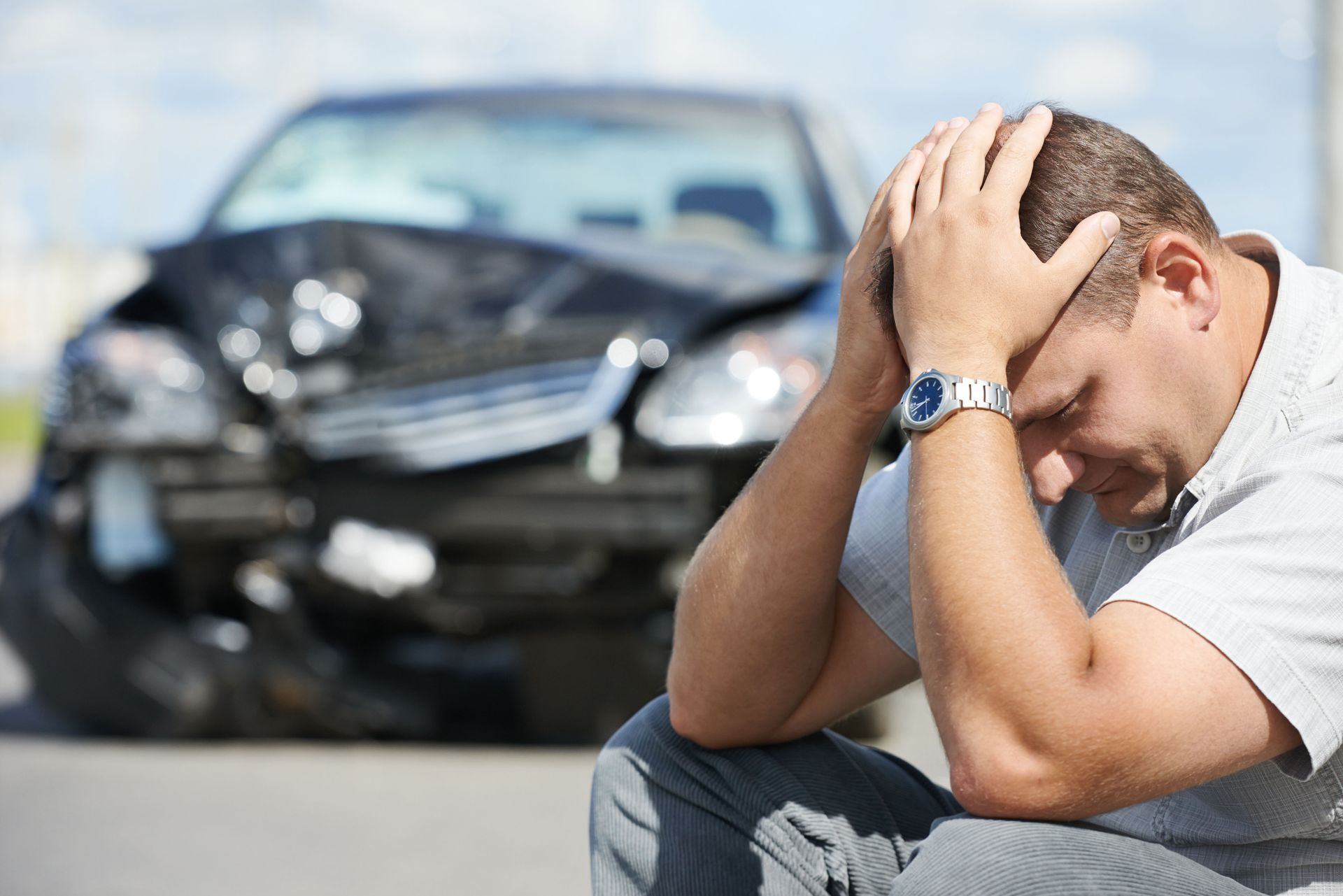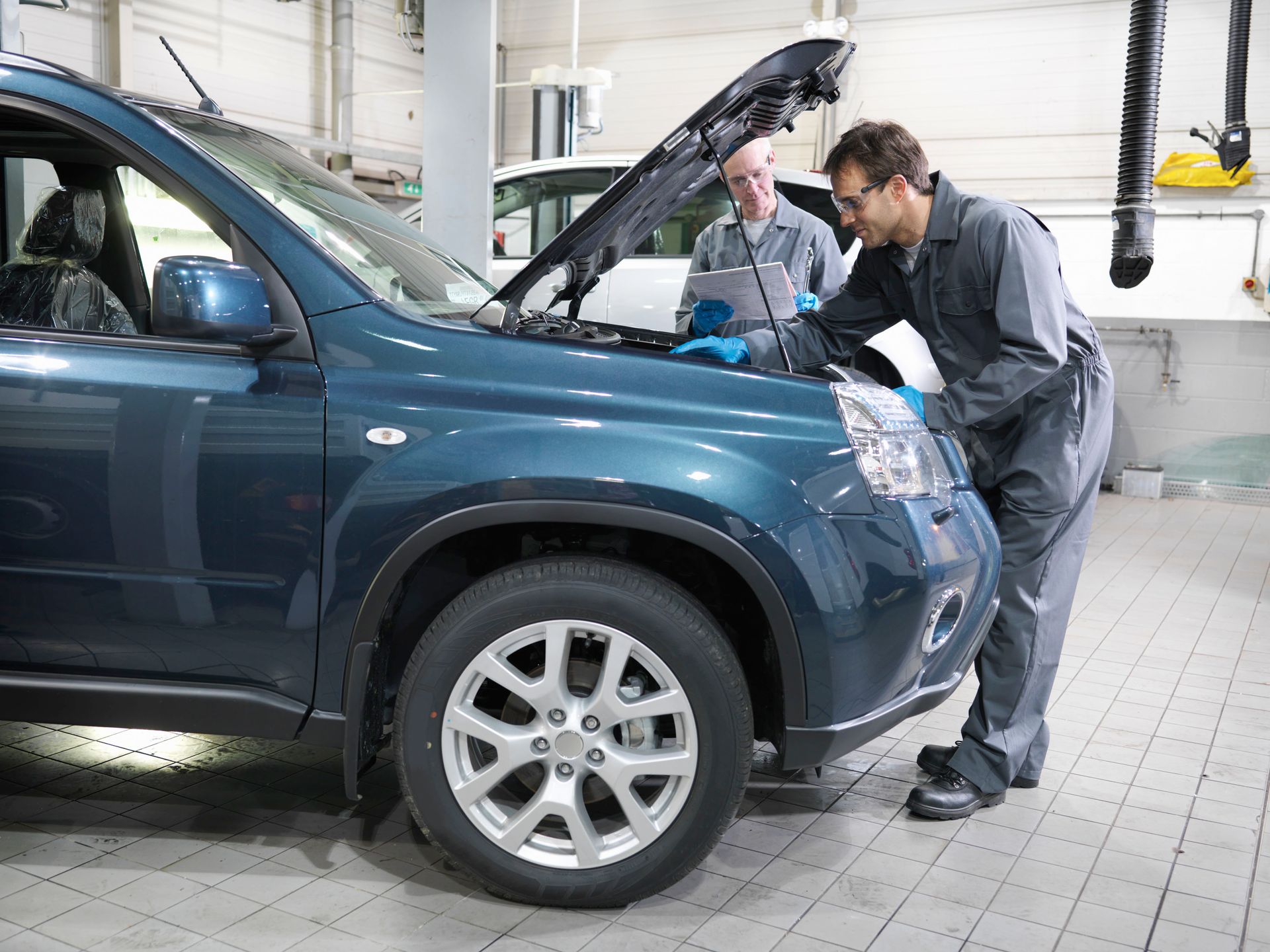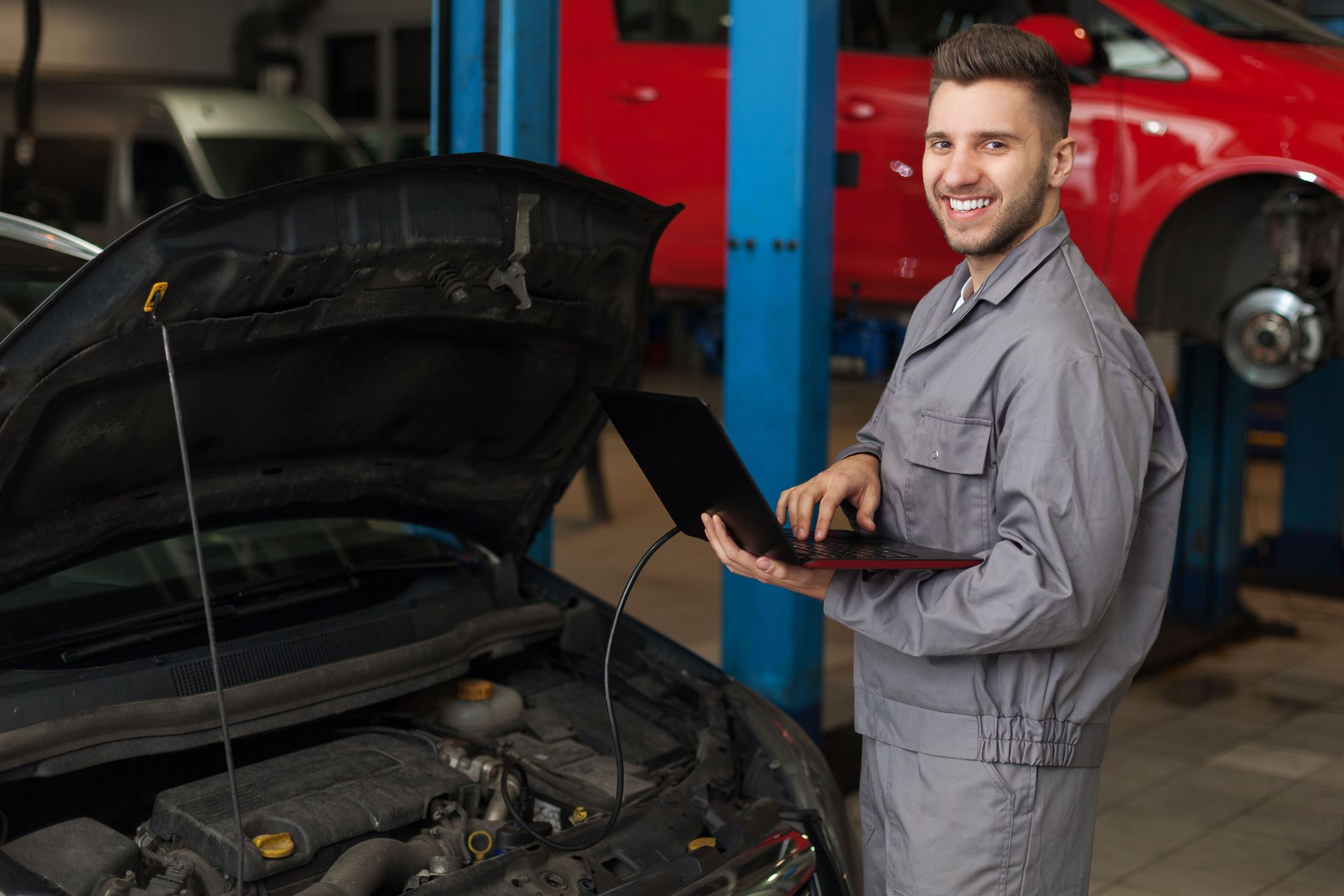
The dynamics of modern traffic are continuously evolving, influenced by a myriad of factors such as rapid technological advancements, growing urban landscapes, environmental imperatives, regulatory shifts, and community involvement. As society grapples with increasing vehicle miles and emerging mobility demands, understanding and adapting to these changes is crucial for everyone on the road. Navigating this landscape safely requires not only personal vigilance but also knowing where to turn when unexpected incidents occur. From technological integration to infrastructural shifts, we must analyze the multi-faceted nature of today's roads to prepare for what lies ahead. Should an accident occur amidst these changing patterns, professional auto collision centers remain vital partners in restoring safety and peace of mind.
Analyze the Impact of Technological Advancements on Traffic Systems
Intelligent Transportation Systems (ITS) are revolutionizing how modern cities manage traffic, providing real-time analytics to reduce congestion and improve safety. By integrating advanced sensors, GPS data, and local communication networks, ITS enables more efficient traffic control by dynamically adjusting signals based on live road conditions. This not only reduces commute times but also enhances local air quality by decreasing idle emissions at busy intersections. Furthermore, ITS facilitates emergency response and resource allocation, optimizing traffic flow even during peak hours. As technology progresses, ITS is expected to become an integral component of urban mobility.
Big data plays a significant role in traffic management by providing insights into traffic patterns, helping city planners develop smarter infrastructure. By collecting data from various sources, including road sensors, mobile apps, and social media, big data analytics enables the precise prediction of traffic jams and accident hotspots. Traffic prediction algorithms can then use this information to devise strategies that alleviate congestion before it happens. This proactive approach enhances road safety, optimizes traffic flow, and offers a comprehensive view of urban mobility dynamics. Harnessing big data effectively requires robust data governance policies to ensure privacy and data quality.
Autonomous vehicles are set to transform road safety, promising to reduce human error, which accounts for a vast majority of traffic accidents. These vehicles rely on advanced sensors, machine learning, and AI to navigate roads and react to dynamic environments with unparalleled precision. Nevertheless, integrating autonomous vehicles into existing traffic systems presents challenges, such as developing a legal framework, ensuring cybersecurity, and upgrading infrastructure to accommodate these vehicles. Additionally, when accidents do happen during this transitional phase, certified auto collision centers will be essential to recalibrate and repair these complex sensor systems. The transition to autonomous systems will require careful coordination between technology developers and policymakers.
Evaluate Urbanization and Its Influence on Traffic Patterns
The rise of megacities has resulted in significant traffic congestion, necessitating new approaches to urban planning and transportation. As urban environments become denser, the demand for efficient public transportation increases to mitigate road traffic. High population densities can strain existing infrastructure and lead to chronic congestion, impacting productivity and quality of life. Urban planners must focus on creating a balance between residential, commercial, and recreational spaces while enhancing transportation networks. Mixed-use development and transit-oriented planning are promising strategies to address the complexities of urban mobility and minimize congestion.
Public transportation systems have evolved, offering more sustainable and efficient alternatives to personal vehicles in busy urban centers. Innovations such as electric buses, automated trains, and high-speed rail systems are pivotal in reducing urban traffic and emissions. These systems benefit from economies of scale, moving large numbers of people efficiently while reducing the per-capita carbon footprint. However, the effectiveness of public transport depends on frequent services, integrated ticketing, and convenient connections. As cities expand, continuous investment in public transit is crucial to keep pace with the changing needs of urban commuters.
Urban sprawl, characterized by low-density development outside city centers, exerts considerable influence on traffic patterns. Sprawl increases dependency on automobiles, leading to higher vehicle miles traveled and increased collision risk, as reported by Mordor Intelligence. According to Mordor Intelligence, vehicle miles traveled grew from 2.77 trillion miles in 2021 to 3.26 trillion miles in 2023, increasing exposure to collision risk even as per-vehicle frequency trends downward. This rise in overall mileage means drivers are spending more time exposed to potential hazards, making local auto collision centers an indispensable resource for handling the resulting increase in structural vehicle repairs.
Address Environmental Concerns and Sustainable Traffic Solutions
Reducing the carbon footprint of transportation is a primary concern, given the sector's significant contribution to global emissions. Encouraging shifts from fossil fuels to renewable energy sources, such as electric and hydrogen fuel cell vehicles, can drastically lower the environmental impact. Moreover, government incentives and policies promoting clean energy adoption are critical in accelerating this transition. Implementing low-emission zones and investing in carbon offset projects are additional strategies urban centers are exploring to curtail transport-related emissions. The significance of sustainable mobility is further emphasized in light of rising vehicle miles, demanding more eco-friendly solutions.
Eco-friendly vehicle technologies, like electric and hybrid cars, are transforming the transportation landscape, driving significant reductions in greenhouse gas emissions. The widespread adoption of these technologies is fostered by declining battery costs, expanding charging infrastructure, and increasing public awareness. Despite these advancements, challenges remain, such as the need for sustainable battery disposal methods and broader infrastructure development. When electric vehicles are damaged in traffic, specialized auto collision centers are required to handle their unique high-voltage battery systems safely. These vehicles are not just a trend but a necessity in the broader efforts towards achieving sustainability in transit.
Understand the Role of Policy and Regulation in Traffic Management
Effective traffic law enforcement is crucial in managing congestion and reducing accidents. Through vigilant monitoring and rigorous penalty systems for violations, traffic regulations can discourage dangerous driving behaviors and promote compliance. However, the challenge lies in maintaining consistency and fairness in enforcement across different jurisdictions. Advancements in technology, such as automated ticketing and traffic monitoring systems, can provide accurate, unbiased enforcement. Balancing the need for safety with privacy considerations is vital as these systems expand.
The regulation of ride-sharing services like Uber and Lyft poses unique challenges and opportunities for modern traffic management. These platforms offer convenient alternatives to traditional taxis, impacting traffic dynamics by increasing demand for short-trip services. Streamlining regulations to encompass safety, pricing, and environmental impact is essential for integrating these services into broader transport strategies. Cities must weigh the benefits of ride-sharing, such as reduced individual car ownership, against potential increases in traffic and emissions. Effective policy-making can harness the strengths of ride-sharing while mitigating negative effects.
Toll systems and congestion pricing are innovative policy measures aimed at managing traffic flow and generating revenue for infrastructure improvements. By charging vehicles for road use, especially during peak times, these systems aim to reduce congestion and encourage the use of alternative transport modes. When traffic density shifts due to these pricing structures, the likelihood of minor fender benders in concentrated areas can rise. Consequently, nearby auto collision centers must stay prepared to handle the influx of local repair demands. The integration of dynamic pricing models with real-time data enhances the potential effectiveness of congestion-based policies.
Prepare for Modern Roadway Challenges
Staying prepared for sudden roadway hazards is an essential part of driving in an increasingly crowded and unpredictable environment. Defusing the stress of an accident starts with knowing exactly who to call before you ever find yourself stranded on the shoulder. Professional auto collision centers are equipped to handle everything from structural alignment to cosmetic detailing, keeping your vehicle safe and roadworthy. By choosing a reputable facility, you ensure that your car receives the precise care required to meet modern safety standards. Let us help you navigate the aftermath of any road incident with our certified expertise and dedicated care.
As vehicle miles traveled continue to rise, increasing overall collision exposure, the need for adaptive personal and professional strategies becomes more pronounced. Navigating today's changing traffic landscape requires a multifaceted approach involving technological innovation, strategic urban planning, environmental consciousness, effective policy-making, and community engagement. At Ken Rocha Collision, LLC, we have been proudly serving Providence, RI, since 1975, providing a lifetime warranty on collision repair to keep you moving safely. We offer convenient 24/7 parking access and valet service by arrangement, along with comprehensive trip protection packages and free estimates to minimize your stress. If you find yourself in need of auto collision centers or our convenient car rental service, contact us today to let our family take care of yours.