A car accident can turn an ordinary day into a stressful one in seconds. Even a minor collision can leave you shaken, confused, and unsure of what to do next. Between checking for injuries, calling for help, contacting insurance, and figuring out how to repair your vehicle, the process can feel overwhelming. The good news is that you do not have to figure everything out at once.
Knowing what typically happens after an accident in Rhode Island can help you feel more prepared. From the first few minutes at the scene to the final repair pickup, each step plays an important role in protecting your safety, your vehicle, and your peace of mind. An experienced auto collision center in Providence, RI can help guide you through the repair process, explain what your vehicle needs, and help you get back on the road as quickly as possible.
According to Consumer Shield, there are five to six million car accidents in the U.S. each year. With that many drivers dealing with collision damage, insurance claims, and transportation disruptions, it helps to know what steps to take after a crash. For many Rhode Island drivers, one of the biggest concerns after an accident is transportation.
If your car needs body work, paint repair, structural repair, or part replacement, you still have work, school, errands, and family responsibilities to manage. That is why working with a repair business that offers loaner vehicles can make the experience much easier. While your vehicle is being repaired, a loaner can help you keep moving without putting your life on hold.
Check for Safety First
Immediately after an accident, safety should be your first priority. Take a moment to assess yourself, your passengers, and anyone else involved. If someone appears injured, call emergency services right away. Even if injuries seem minor, it is better to get medical help than to ignore pain or symptoms that could get worse later.
If the vehicles are still drivable and it is safe to do so, move them out of traffic. Turn on your hazard lights and stay aware of your surroundings. Accidents on busy roads, intersections, highways, or poorly lit areas can create additional danger if other drivers do not see the stopped vehicles in time.
Try to remain calm and avoid arguing with the other driver. Emotions often run high after a crash, but staying focused helps everyone handle the situation more smoothly. Exchange information, cooperate with law enforcement if they respond, and avoid admitting fault at the scene. The details of an accident are often reviewed later by police, insurance adjusters, and other parties.
Document the Accident Scene
Once everyone is safe, gather as much information as you can. Photos and notes can be very helpful during the insurance and repair process. Take pictures of all vehicles involved, including visible damage, license plates, vehicle positions, road conditions, traffic signs, skid marks, debris, and the surrounding area.
You should also collect the other driver’s name, contact information, insurance details, license plate number, driver’s license information, and vehicle make and model. If there are witnesses, ask for their contact information as well. Their statements may help clarify what happened.
A police report can also be helpful, especially if there are injuries, major damage, disagreement about fault, or a hit-and-run situation. Depending on your location and the severity of the accident, law enforcement may come to the scene or direct you to file a report afterward.
This documentation can make the next steps easier. It gives your insurance company details to review and gives an auto collision center in Johnston, RI more context about the impact your vehicle experienced.
Contact Your Insurance Company
After leaving the accident scene, contact your insurance company as soon as you can. Your insurer will explain how to file a claim, what information they need, and whether your policy includes rental or transportation coverage. They may ask for photos, the police report number, the other driver’s information, and a description of what happened.
During this call, ask questions about your deductible, claim number, repair options, and whether you have the right to choose your own collision repair shop. In many cases, drivers can choose the repair business they prefer, even if the insurance company provides a recommended list.
Insurance claims can involve multiple steps, but an auto collision center serving Cranston, RI that works with insurance companies regularly can help make the process less confusing. The shop can provide damage estimates, submit repair documentation, communicate with adjusters, and explain any changes that come up once the vehicle is inspected more closely.
Schedule a Vehicle Inspection
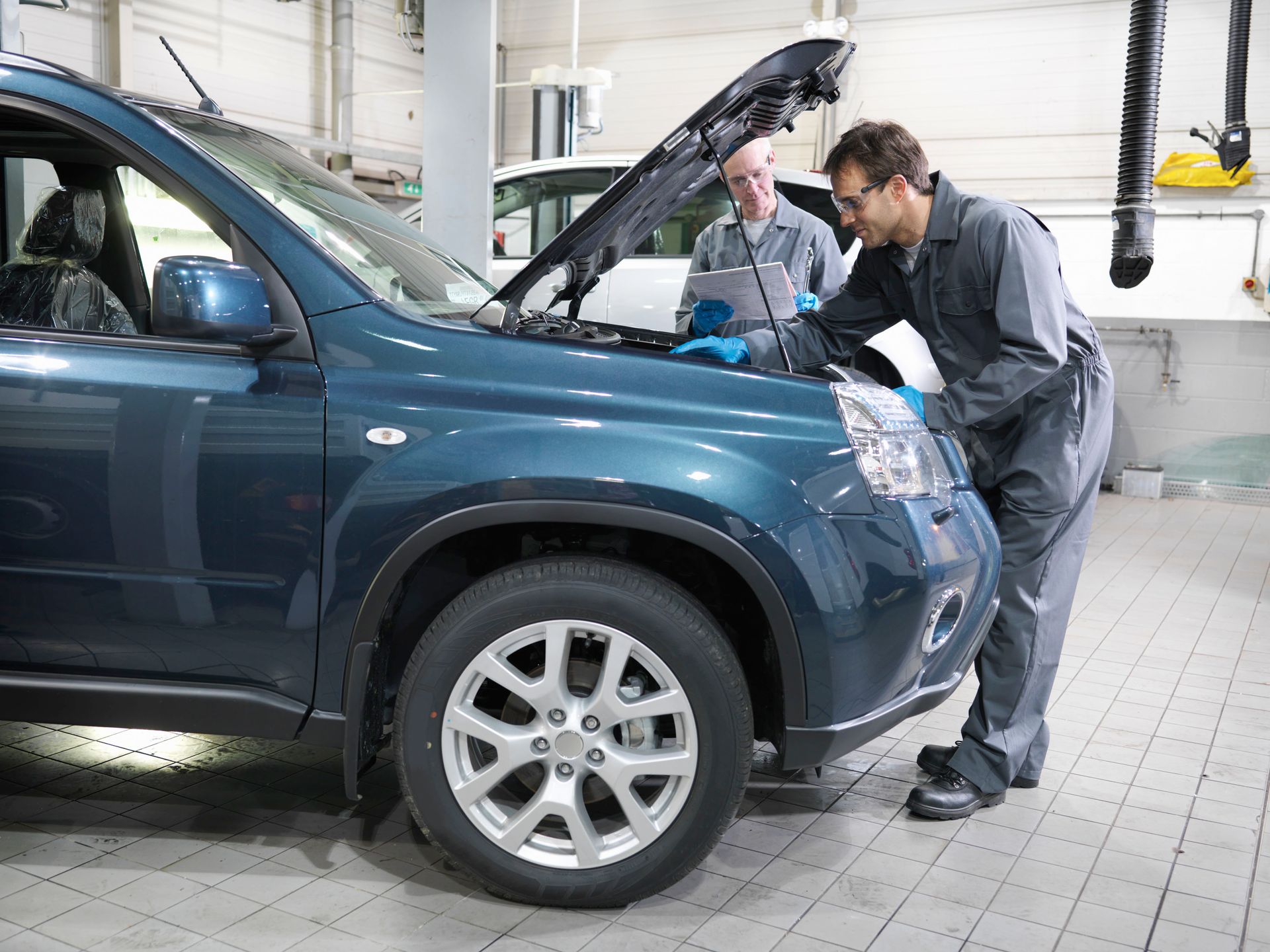
The next step is getting your vehicle inspected by a qualified collision repair professional in Rhode Island. Some damage is easy to see, such as dents, broken lights, cracked bumpers, scratched paint, or misaligned panels. Other damage may be hidden beneath the surface.
For example, a bumper cover may look like it only has cosmetic damage, but the reinforcement bar, brackets, sensors, or frame components behind it may also be affected. Modern vehicles include cameras, blind spot monitors, parking sensors, lane assist features, and advanced safety systems that may need inspection after a collision.
A thorough inspection helps identify what repairs are needed. The repair shop may prepare an initial estimate, but it is common for additional damage to be found after teardown. This does not necessarily mean something was missed. Some components cannot be fully inspected until damaged parts are removed.
Understand the Repair Estimate
After the inspection, the repair business will prepare a repair estimate. This document usually includes labor, parts, materials, paint work, structural repairs, and any necessary calibrations. It may also list whether parts are original equipment manufacturer parts, aftermarket parts, used parts, or reconditioned parts, depending on your insurance policy and repair needs.
The estimate helps you understand the general scope of the repair. However, it is not always the final cost. If hidden damage is discovered, the shop may submit a supplement to the insurance company. A supplement is an updated request that covers additional repairs needed to return the vehicle to proper condition.
A good auto collision center in Providence, RI will explain the estimate in plain language. You should feel comfortable asking what certain terms mean, why a part needs to be replaced, how long repairs may take, and what factors could affect the timeline.
Ask About Loaner Vehicles
Transportation is one of the biggest challenges after an accident. Even if the repair is straightforward, your vehicle may need to stay at the shop for several days or longer. Parts availability, insurance approvals, paint curing, structural work, and calibration needs can all affect timing.
This is where loaner vehicles can make a major difference. An auto collision center near Johnston, RI that offers loaner vehicles helps customers keep up with daily life while their vehicle is being repaired. You may need to commute to work, take your children to school, attend appointments, or handle errands. A loaner vehicle can reduce the disruption caused by the accident.
When scheduling your repair, ask how the loaner vehicle process works. Find out whether availability is limited, what paperwork is required, how long you can use the loaner, and whether there are mileage or usage guidelines. You should also ask whether your insurance policy affects loaner eligibility or whether the shop provides loaners directly.
Having access to a loaner vehicle can make the repair experience feel much more manageable. Instead of scrambling for rides, rearranging your schedule, or paying out of pocket for transportation, you can stay mobile while the shop focuses on your repairs.
After an accident, it is normal to feel uncertain about the next step. Start with safety, document the scene, contact your insurance company, and schedule a professional inspection. From there, a reliable auto collision center in Cranston, RI can guide you through estimates, repairs, refinishing, calibrations, and final pickup. When loaner vehicles are available, the process becomes even easier because you do not have to put your daily responsibilities on hold while your car is being repaired. With the right repair shop on your side, you can move from accident stress to restored confidence one step at a time. Contact Ken Rocha Collision, LLC today.